 Pin It
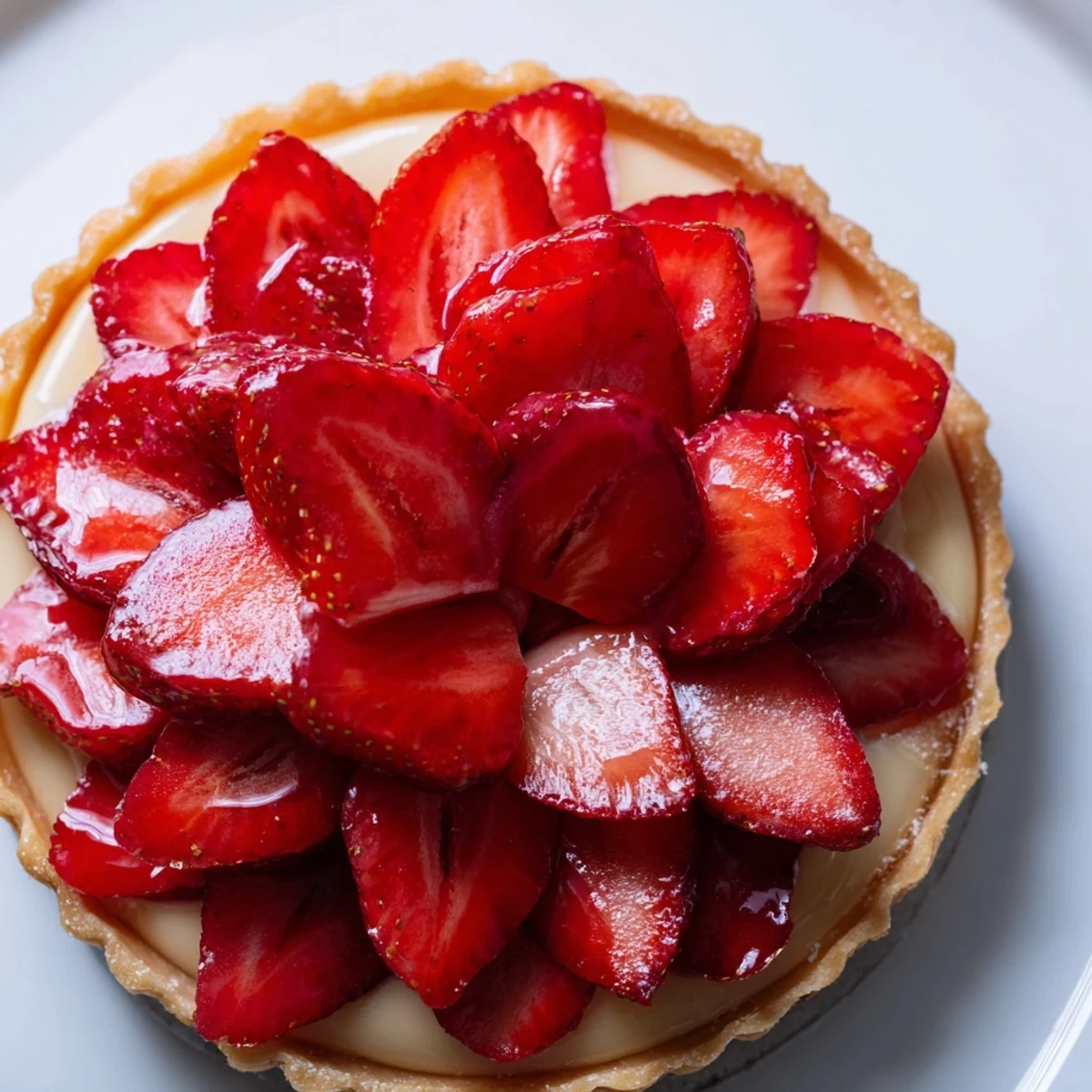
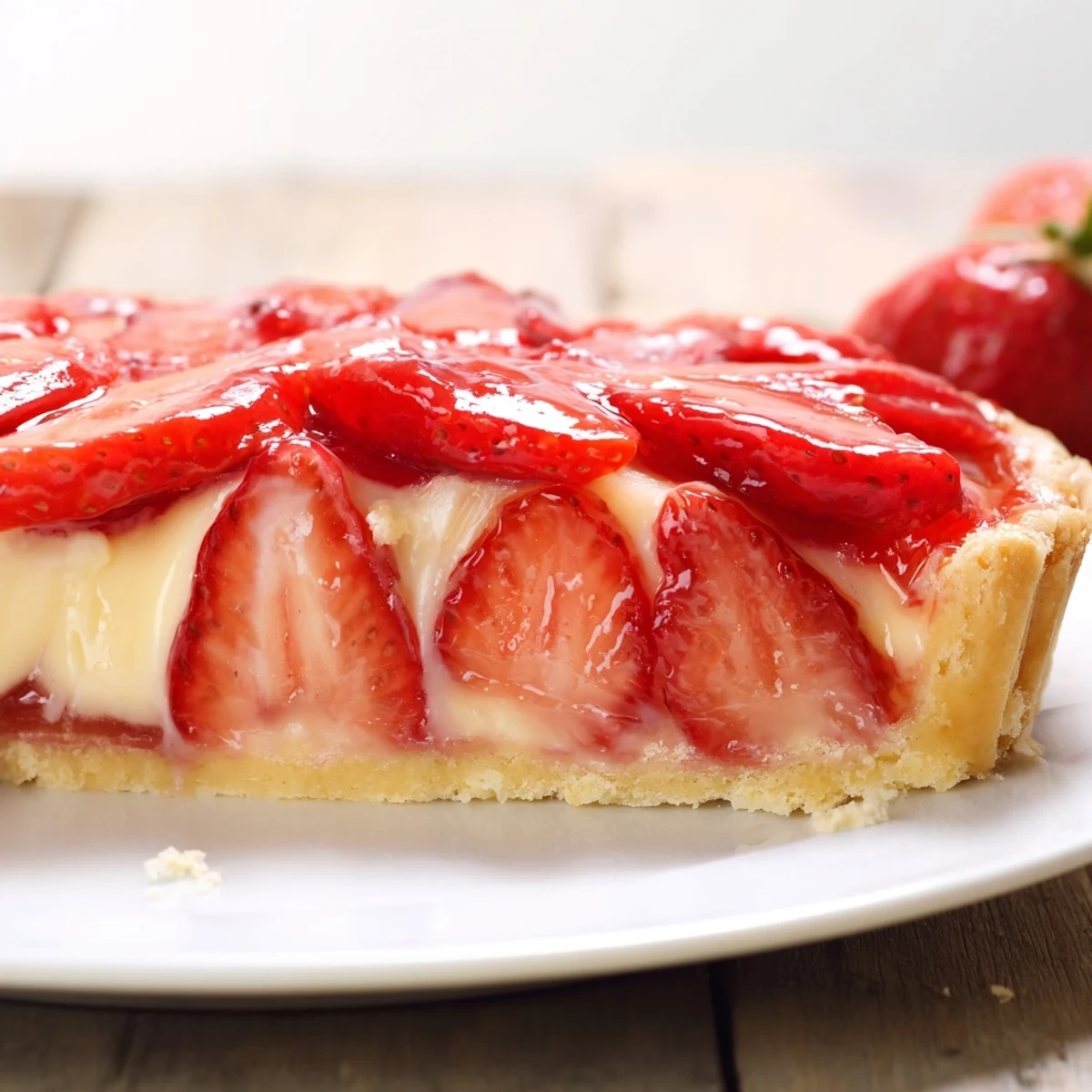
 Cette tarte aux fraises associe une pâte sablée croustillante à une crème pâtissière onctueuse, puis des fraises fraîches nappées d'un glaçage à l'abricot. Comptez 30 min de préparation, 30 min de cuisson et environ 1 heure de repos au frais, soit 2 heures au total. Astuces : sabler le beurre, cuire la pâte à blanc, épaissir la crème à feu moyen et filmer au contact pour une texture parfaite.
The snap of cold butter hitting flour on a bright morning always reminds me of how making a Tarte aux Fraises feels—like pausing for something special. As strawberries arrive in glossy heaps at the market, it's almost impossible not to plan for this tart. The scent of pastry drifting through my small kitchen is half the experience. There's something quietly joyful about transforming everyday ingredients into something worthy of a celebration.
I made this tart last spring for friends on our little balcony, laughing while the strawberry slices fanned out unevenly. Somehow the messier it looked, the more everyone reached for a second slice. We talked about traveling to France over mismatched coffee cups and powdered sugar fingerprints. That day, I learned desserts don’t need to be perfect to be memorable.
Ingredients
- Flour: Go for plain all-purpose flour—a gentle touch when rubbing in butter keeps the crust crumbly and short.
- Cold unsalted butter: Using cold diced butter ensures your crust flakes and stays tender; warm hands melt it quickly, so work fast.
- Powdered sugar: This blends easily for sweetness without grittiness in the pastry crust—I've tried regular sugar and always come back to icing sugar.
- Egg: One whole egg binds everything together smoothly; crack it into a cup first to avoid shell surprises.
- Salt: Just a pinch wakes up every other flavor in the dough.
- Whole milk: Creamy milk gives richness to the pastry cream; I learned skim makes it a little too thin.
- Vanilla bean or extract: Real vanilla scent makes such a difference—it perfumes the whole kitchen and lingers on your hands.
- Sugar: Standard granulated sugar sweetens the filling perfectly.
- Egg yolks: Four are just right to set the custard without making it stodgy.
- Cornstarch (Maïzena): This keeps the pastry cream smooth and lump-free—don't skip it!
- Butter: Folded in at the end, it brings extra silkiness to the cream pâtissière.
- Fresh strawberries: Choose ones that smell sweet and have no white patches—a mix of sizes makes the topping more lively.
- Apricot jam: Melted with water, it gives the tart that classic glossy finish, so don’t be tempted to skip the brush-on glaze.
- Water: Just enough to loosen the jam for brushing.
Instructions
- Make the sweet pastry:
- Tip flour, salt, and powdered sugar into a bowl, then rub in cold butter with your fingertips until it looks like breadcrumbs—listen for the gentle hush as it comes together. Beat the egg, mix it in, then shape the dough into a ball, wrap, and chill for half an hour until it's firm but not too hard to roll.
- Blind bake the tart shell:
- Roll out the cold dough and lift it gently into a tart tin—this is the sticky-finger stage, but patch any cracks with scraps. Prick all over with a fork, line with baking paper, and add pie weights; bake at 180C for 20 minutes, then remove weights and paper for a final 10 to get a light golden shell.
- Cook the pastry cream:
- Heat milk and vanilla until steaming; in a bowl, whisk yolks and sugar, then cornflour, until thick and pale. Gradually add hot milk, whisking briskly, before returning all to the pan and stirring gently over medium heat—watch as it thickens, then take off the heat and beat in butter until it's shiny; cover directly with plastic and cool until no longer warm.
- Prep the strawberries:
- Wash, hull, and slice the strawberries into halves or quarters, tasting for sweetness and resisting the urge to nibble too many.
- Assemble your tart:
- Spoon the cooled cream into the pastry shell and spread with a palette knife until smooth and inviting. Layer on the strawberries in circles or any pattern, letting their colours pop.
- Glaze and chill:
- Warm apricot jam with a bit of water, then gently brush over the fruit for a glossy finish—it’s sticky magic. Chill for at least an hour before slicing, so everything sets up perfectly.
 Pin It
 On my last birthday, my partner tried making this themselves, accidentally doubling the butter in the dough. We laughed as it oozed in the oven, but the end result was unexpectedly crisp, and every crumb was gone by sunset. Sometimes the best moments come out of kitchen mishaps. Now every time I make it, I'm reminded that imperfection is part of the fun.
Choosing the Right Strawberries
The ripest strawberries offer more than sweetness—they perfume the tart as soon as it's sliced. I pick them up in small punnets from the morning market when I can, but even supermarket berries shine when glazed. Let them come to room temperature before using, and the flavor bursts through every bite.
Pastry Cream Secrets
Patience is your friend while whisking the pastry cream—rush it, and you might end up with lumps, but slow stirring yields pure silk. Whenever I use real vanilla bean, the tiny flecks make the finished tart feel even more special, and the scent reminds me of making desserts with windows wide open in late spring.
Make It Your Own
A swipe of lemon zest in the cream pulls out the berries' freshness, while a sprinkle of crushed pistachios adds a pop of green and crunch. If stone fruits are in season, you can swap in slices of nectarine or apricot just as easily.
- Decorate with edible flowers for extra charm.
- Serve with a glass of Muscat or Sauternes for a grown-up twist.
- Let the tart sit at room temperature for 10 minutes before serving for best flavor.
 Pin It
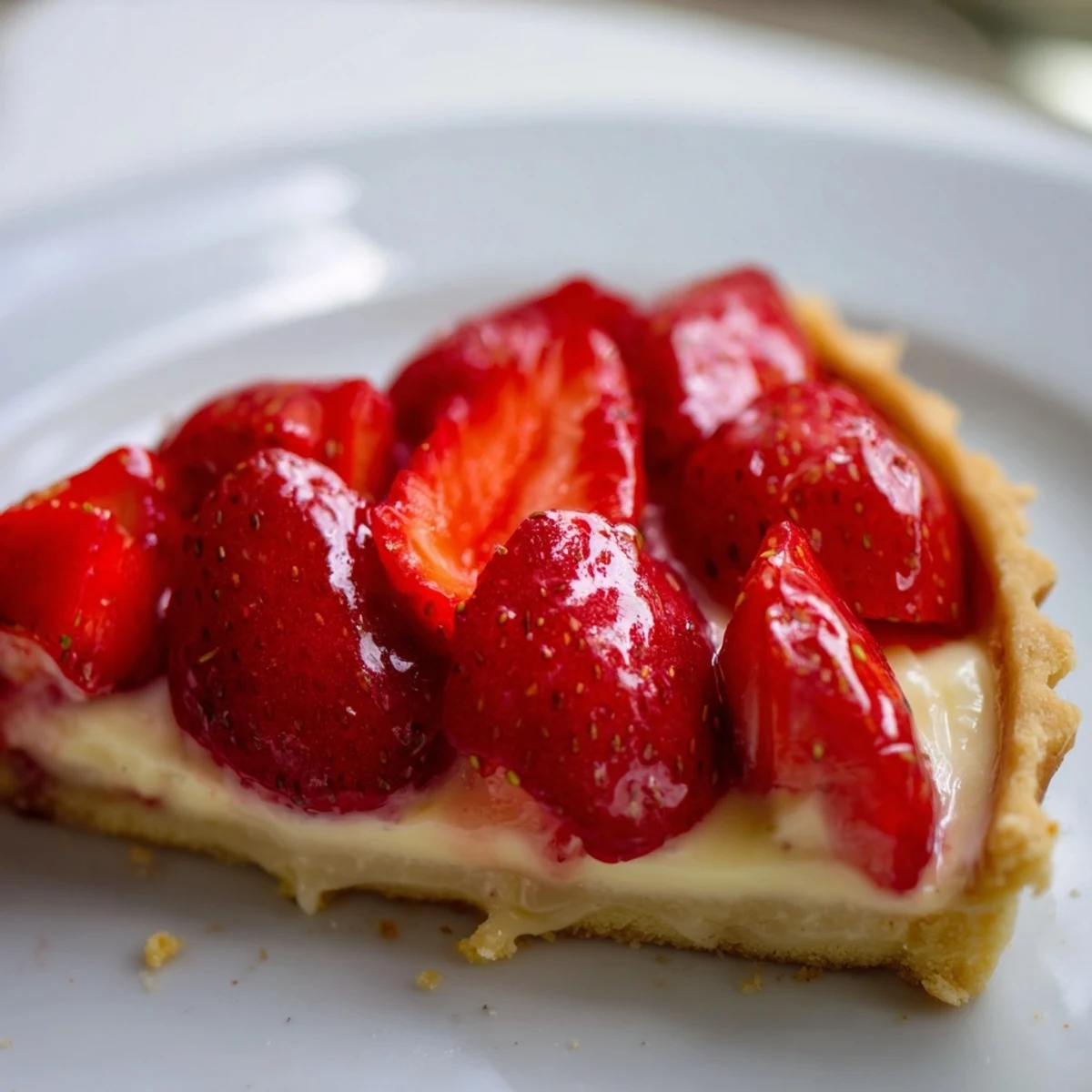
 Each time I take the first slice from a Tarte aux Fraises, I'm reminded that simple things done with care can feel like a tiny celebration. I hope you’ll enjoy sharing this as much as I have, messes and all.
Recipe FAQ
- → Comment obtenir une pâte sablée bien croustillante ?
-
Travaillez le beurre froid rapidement pour obtenir un sablage homogène, évitez de trop pétrir après l'ajout de l'œuf, laissez reposer la pâte 30 minutes au frais et cuisez à blanc avec poids de cuisson pour préserver le croustillant.
- → Comment éviter que la pâte devienne détrempée sous la crème ?
-
Cuire la pâte entièrement à blanc jusqu'à légère coloration, laisser bien refroidir avant de garnir et napper la surface de crème pâtissière froide pour limiter l'humidité transférée aux bords.
- → Quelle consistance doit avoir la crème pâtissière ?
-
Elle doit être épaisse et lisse, suffisamment ferme pour tenir les fraises mais encore onctueuse. Épaississez à feu moyen en remuant sans cesse et laissez refroidir sous film alimentaire au contact pour conserver la texture sans peau.
- → Peut-on remplacer la fécule de maïs par autre chose ?
-
La fécule donne une texture légère ; vous pouvez utiliser de la farine en quantités un peu supérieures, mais la crème sera moins nette. Pour alternative sans gluten, utilisez une fécule de pomme de terre ou de tapioca.
- → Comment obtenir un joli glaçage brillant sur les fraises ?
-
Chauffez légèrement la confiture d'abricot avec un peu d'eau, tamisez si nécessaire, puis appliquez au pinceau en couche fine sur les fraises froides pour un fini uniforme et brillant.
- → Comment conserver la tarte et combien de temps ?
-
Conservez-la au réfrigérateur recouverte d'un film alimentaire ou d'une cloche hermétique. À consommer de préférence dans les 24 heures pour garder la fraîcheur des fraises et la texture de la pâte.