 Pin It
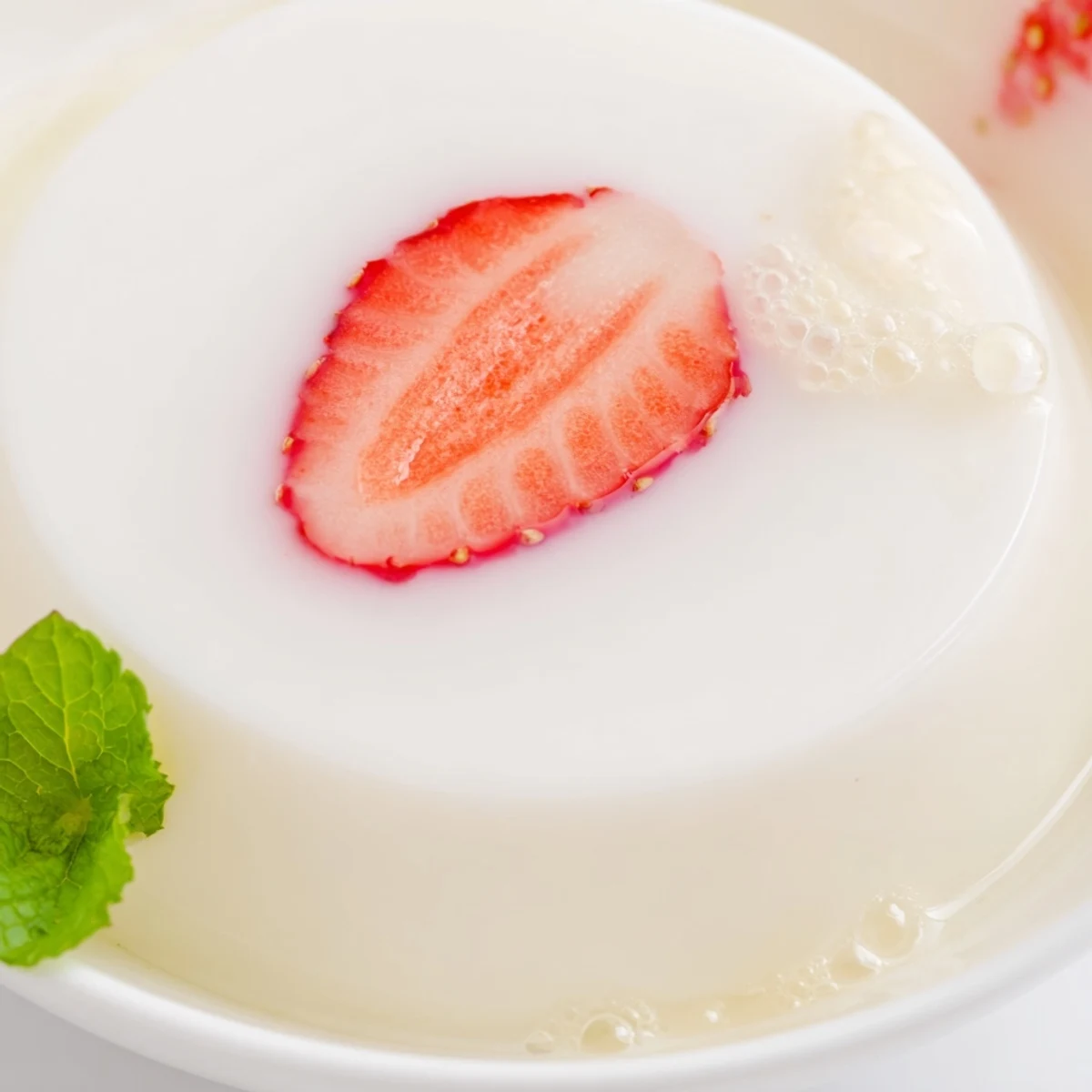
 This traditional Japanese confection combines the silky smoothness of milk-based yokan with juicy, sweet strawberries. The result is a delicate, cooling sweet that balances creamy richness with bright fruit notes. Perfectly suited for spring and summer, this elegant treat requires minimal cooking time but delivers maximum visual appeal and subtle flavor. The agar-agar creates a gentle wobble that melts on the tongue, while fresh strawberries provide bursts of sweetness throughout each bite.
The first time I encountered yokan was at a tiny sweet shop in Kyoto during cherry blossom season. The proprietor quietly slid a jade green cube across the counter, watching my face as I took that first silky bite. I was completely enchanted by something so simple, so delicate, yet so profoundly satisfying. Years later, when fresh strawberries started flooding the markets, I wondered what would happen if I married that traditional technique with creamy milk and ruby red fruit.
Last summer I made this for a dinner party when the temperature hit ninety degrees and nobody wanted anything heavy. My friend Sarah actually gasped when I sliced into the mold, revealing those suspended strawberries like jewels in glass. We sat on the back porch eating it slowly, talking about how something so cooling could also feel so comforting. Now it is my go to when I want to serve dessert that feels special without turning on the oven.
Ingredients
- Fresh strawberries: Choose berries that are fragrant and slightly firm since they will hold their shape better in the gel
- Whole milk: The fat content creates that luxurious mouthfeel, though I have used coconut milk successfully for a dairy free version
- Granulated sugar: Agar needs sugar to properly set, and this amount balances the natural acidity of the berries
- Powdered agar: This seaweed based gelling agent is what gives yokan its signature delicate wobble, much softer than gelatin
- Vanilla extract: Pure extract makes a noticeable difference here, warming up the cool milk flavor
Instructions
- Prep your strawberries:
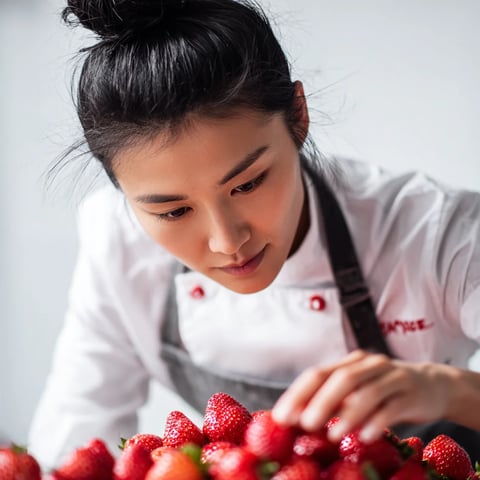
- Rinse and hull the berries, then cut them in half and arrange them beautifully in your mold or loaf pan. Take your time with this step since you will see them through the finished dessert.
- Make the milk base:
- Whisk together the milk, sugar, and agar in a small saucepan until the powder has completely dissolved. Continue whisking for about thirty seconds to ensure there are no lumps hiding at the bottom.
- Heat and activate:
- Place the pan over medium heat and bring everything to a gentle simmer while stirring constantly. Let it bubble quietly for two full minutes so the agar can work its magic.
- Add the vanilla:
- Pull the pan from the heat and stir in the vanilla extract, letting its aroma bloom in the warm milk for a moment.
- Combine and set:
- Cool the mixture for just a couple of minutes so it is not scorching hot, then gently pour it over your arranged strawberries. Lightly tap the mold on the counter to release any trapped bubbles.
- Chill patiently:
- Let everything cool to room temperature first, then refrigerate for at least three hours until completely firm. I know the waiting is hard.
- Serve and enjoy:
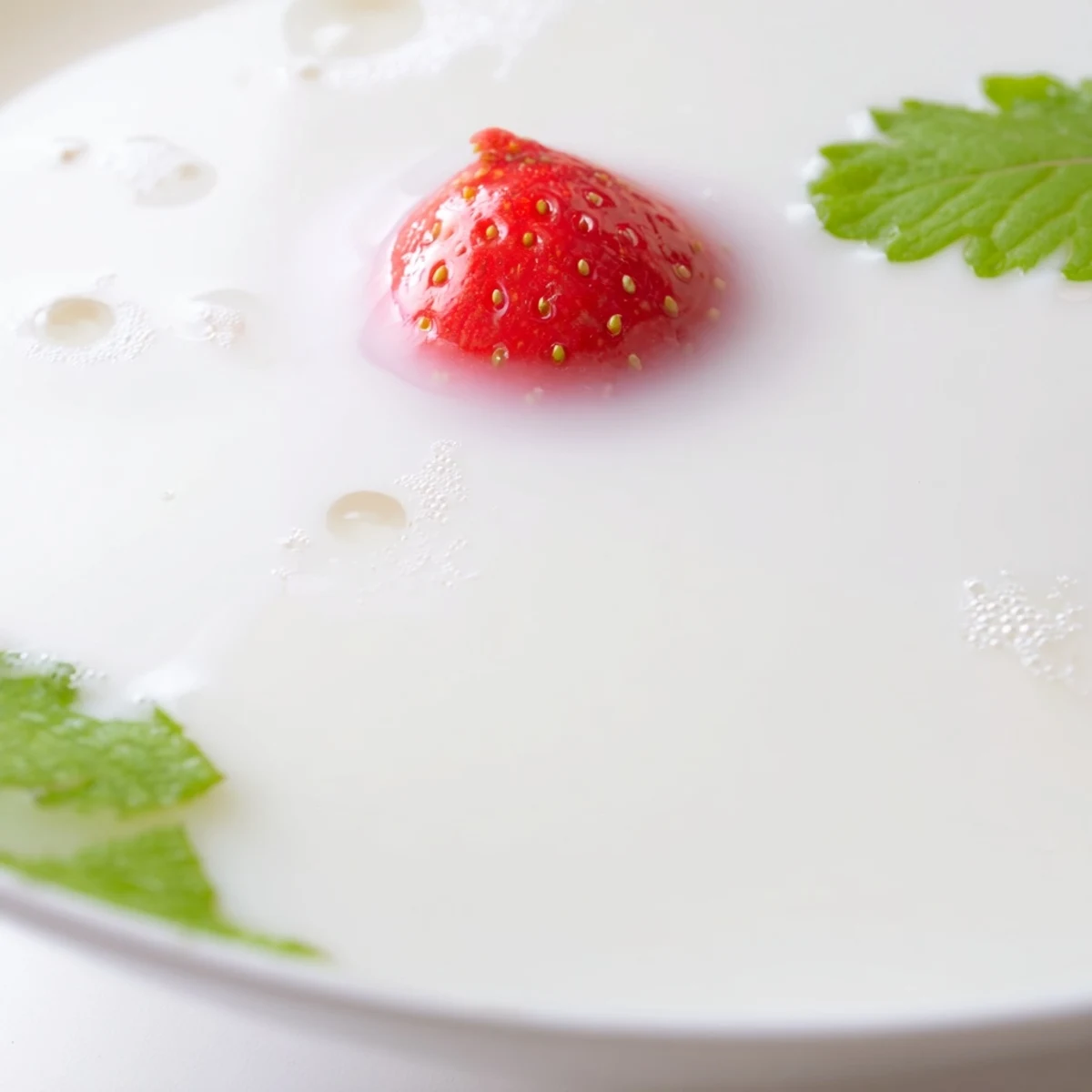
- Unmold onto a cutting board and slice into portions, garnishing with mint if you want a pop of color against the pale cream.
 Pin It
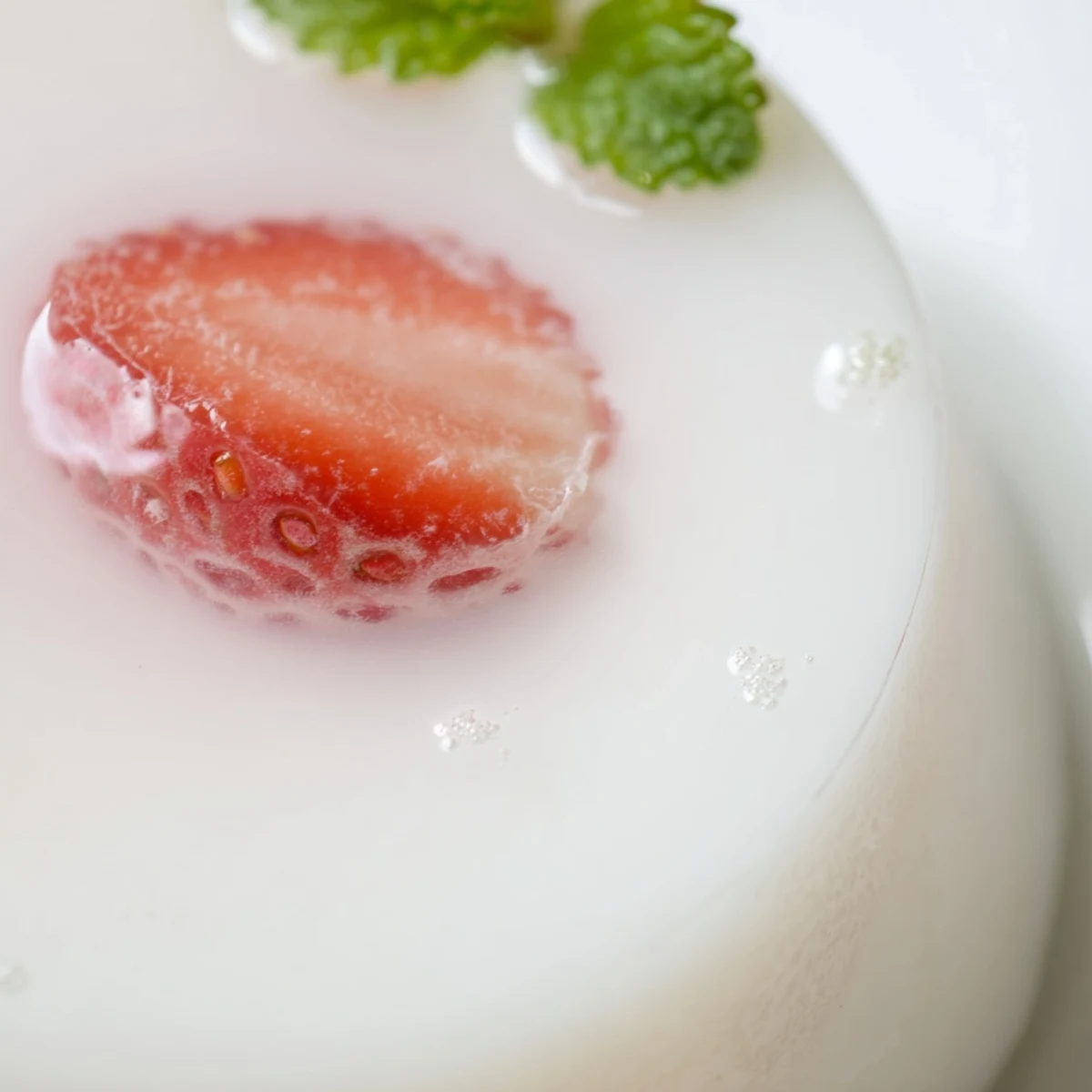
 There was something meditative about arranging those strawberry halves in the pan, like planting a little garden. When my daughter walked into the kitchen and saw the finished unmolded yokan, she said it looked like strawberry clouds. That might be my new favorite description for anything lovely and light.
Choosing The Right Agar
Powdered agar dissolves more easily than the flakes or bars, and I find it gives more consistent results for this type of delicate dessert. If you can only find flakes, grind them slightly in a mortar and pestle first. The strength can vary between brands, so your first batch might be slightly firmer or softer than expected.
Mold Selection Matters
A glass loaf pan lets you see the beautiful stratification as it sets, which is part of the fun. Plastic works too and makes unmolding easier since you can gently flex the sides. Whatever you choose, avoid metal as it can create cold spots that affect how the yokan sets.
Serving Suggestions
While this is perfectly wonderful on its own, a drizzle of sweetened condensed milk over the top adds a lovely creamy contrast. Some people in my family like it with a scoop of vanilla bean ice cream melting alongside. You could also serve it with shortbread cookies for texture.
- A light dusting of matcha powder over the top adds beautiful color contrast
- Serve in small portions since this is richer than it appears
- Let slices sit at room temperature for five minutes before serving for the best texture
 Pin It
 Something about this dessert feels like catching snowflakes on your tongue, fleeting and perfect. I hope it brings a moment of quiet beauty to your table.
Recipe FAQ
- → What makes yokan different from other gelatin desserts?
-
Yokan uses agar-agar, a seaweed-based gelling agent that creates a delicate, silky texture unlike the bouncy feel of gelatin. It sets firmly yet melts smoothly on the tongue, offering a refined mouthfeel characteristic of Japanese sweets.
- → Can I use frozen strawberries instead of fresh?
-
Frozen strawberries will release excess moisture as they thaw, which can affect the yokan's texture. If using frozen, pat them thoroughly dry and expect slightly softer results. Fresh berries provide the best texture and visual appeal.
- → How long does milk yokan keep in the refrigerator?
-
Milk-based yokan stays fresh for up to 2 days when refrigerated in an airtight container. The dairy content limits its shelf life compared to traditional bean-based yokan, which can last weeks. Enjoy within the recommended timeframe for optimal texture.
- → Is there a dairy-free alternative that still works well?
-
Coconut milk creates a rich, creamy yokan with tropical notes that complement strawberries beautifully. Almond milk offers a lighter version with subtle nutty flavor. Both alternatives set properly with agar-agar and maintain the delicate texture.
- → Why does the milk mixture need to cool slightly before pouring?
-
Pouring hot liquid directly onto fresh strawberries would cook them, altering their texture and flavor. Allowing 2–3 minutes of cooling time preserves the berries' fresh character while keeping the mixture fluid enough to distribute evenly.