 Pin It
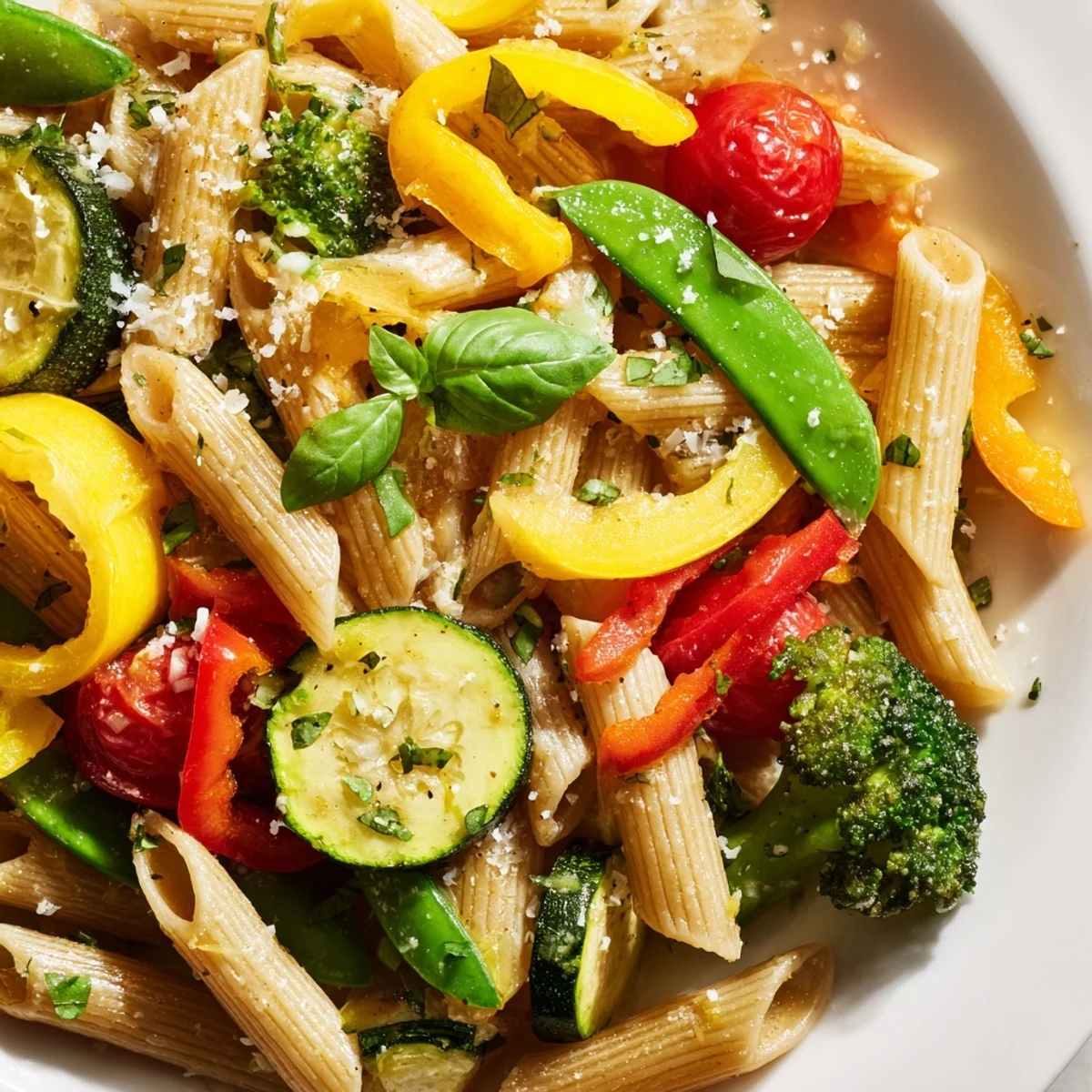
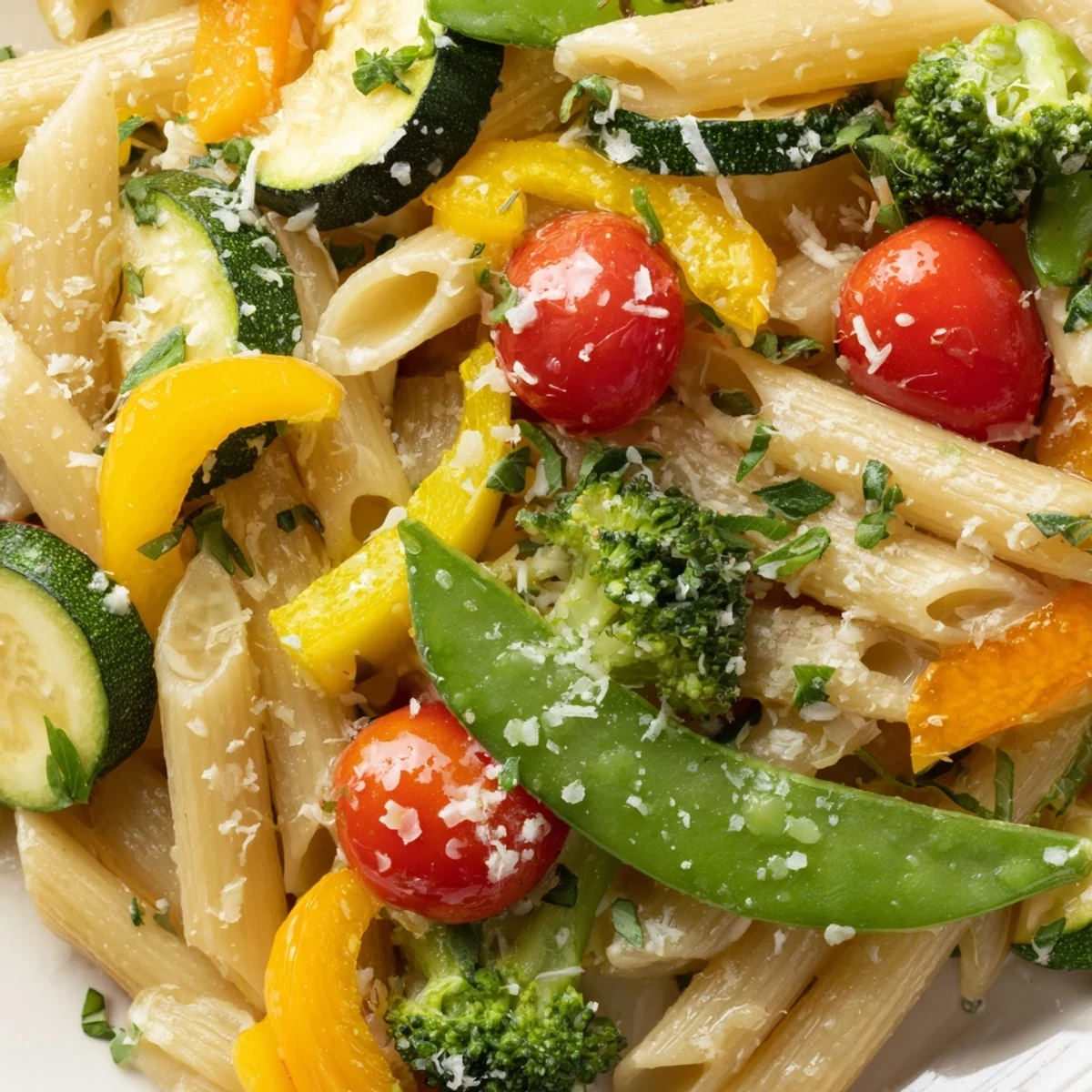
 This vibrant Italian classic brings together perfectly cooked pasta and an array of fresh spring vegetables. The dish features crisp zucchini, yellow squash, bell peppers, cherry tomatoes, snap peas, and broccoli florets, all sautéed to tender-crisp perfection.
A light sauce created with olive oil, garlic, vegetable broth, and fresh lemon juice coats every strand, while grated Parmesan adds a savory finish. Fresh basil and parsley brighten the entire dish, creating a wholesome meal that's both satisfying and nutritious.
Ready in just 40 minutes with simple preparation, this versatile main serves four beautifully and can easily accommodate additions like chicken or chickpeas for extra protein.
The first time I made pasta primavera, I accidentally added twice the garlic because my phone rang while I was mincing. Best mistake I ever made. My roommate actually asked if I could please make that error again. Now I just call it intentional seasoning.
Last spring I served this to my cousin who claims to hate vegetables. She took three servings and asked for the recipe before even leaving the table. Something about that bright, lemony sauce makes even broccoli taste like a treat.
Ingredients
- 400 g penne or spaghetti: I love how penne catches all those little vegetable pieces in its tubes, but spaghetti works beautifully if you want something more elegant
- 1 small zucchini, sliced: Dont skip the salt on these while they sautéit draws out moisture and gives them the most wonderful tender but not mushy texture
- 1 small yellow squash, sliced: These add such a lovely sweetness that balances the slight bitterness of the broccoli
- 1 red bell pepper, julienned: The red color makes everything look so much more appetizing, plus they stay pleasantly crisp
- 1 cup cherry tomatoes, halved: Add these near the end so they just burst and release their juices without completely collapsing
- 1 cup sugar snap peas, trimmed: These provide the most satisfying crunch and taste almost like candy when sautéed
- 1 cup broccoli florets: Cut them small so they cook through quickly and you get some in every bite
- 3 tablespoons extra virgin olive oil: This is the foundation of your sauce, so use the good stuff
- 3 cloves garlic, minced: Fresh garlic is non negotiable here, the jarred stuff just doesnt have the same punch
- 1/2 teaspoon crushed red pepper flakes: Even if you think you dont like heat, this tiny amount just makes everything taste more alive
- 1/2 cup vegetable broth: This creates that silky sauce without needing any heavy cream
- Juice of 1 lemon: The acid brightens everything and cuts through the olive oil beautifully
- 1/4 cup grated Parmesan cheese: Save some extra for the table because everyone will want to add more
- Salt and freshly ground black pepper: Taste as you go, the pasta water adds saltiness so adjust accordingly
- 2 tablespoons fresh basil leaves: Tear the basil by hand instead of cutting it, it bruises less and releases more aroma
- 2 tablespoons fresh parsley: Flat leaf parsley has much better flavor than curly, and it adds such a fresh finish
Instructions
- Get your pasta water going first:
- Bring a large pot of generously salted water to boil, then cook pasta until al dente. That starchy pasta water you reserve is liquid gold for your sauce later.
- Start the aromatics while pasta cooks:
- Heat olive oil in your largest skillet over medium heat. Add garlic and red pepper flakes, stirring constantly for one minute until your kitchen smells incredible but before the garlic can brown and turn bitter.
- Add the harder vegetables:
- Toss in zucchini, squash, bell pepper, and broccoli. Sauté for 4 to 5 minutes, stirring occasionally, until theyre just beginning to soften but still have some bite.
- Add delicate vegetables:
- Add cherry tomatoes and sugar snap peas. Cook another 2 to 3 minutes until tomatoes start to collapse and peas turn bright green.
- Create the sauce:
- Pour in vegetable broth and lemon juice. Let everything simmer together for 2 minutes while scraping up any flavorful bits from the bottom of the pan. Season with salt and pepper.
- Bring it all together:
- Add drained pasta to the skillet along with Parmesan. Splash in some of that reserved pasta water as needed until everything is glossy and coated.
- Finish with fresh herbs:
- Remove from heat and stir in basil and parsley. Taste and add more salt or pepper if needed.
- Serve immediately:
- Portion into bowls and pass extra Parmesan at the table. This waits for no one, its best enjoyed piping hot.
 Pin It
 My grandmother used to say that pasta primavera is what happens when you let the garden dictate dinner. She was right, somehow the combination always tastes more like itself than any carefully planned dish.
Making It Your Own
Ive learned that the best pasta primavera is the one that uses what you actually have. Last week I used asparagus and frozen peas because thats what I found during my frantic pre dinner fridge inventory. Nobody noticed the difference from the classic version.
The Art of Vegetable Timing
Over the years Ive figured out that the secret is cutting everything to roughly the same size. When all your vegetables are uniform, they cook at the same rate and you avoid that frustrating situation where some are raw and others are mushy.
Serving Suggestions
This pasta stands on its own as a complete meal, but a crisp green salad with a simple vinaigrette never hurts. A glass of cold white wine makes everything feel a bit more special.
- A hunk of crusty bread is perfect for sopping up any extra sauce
- If you want to stretch the dish, serve with a side of roasted vegetables
- Keep the seasoning simple since the pasta is already so flavorful
 Pin It
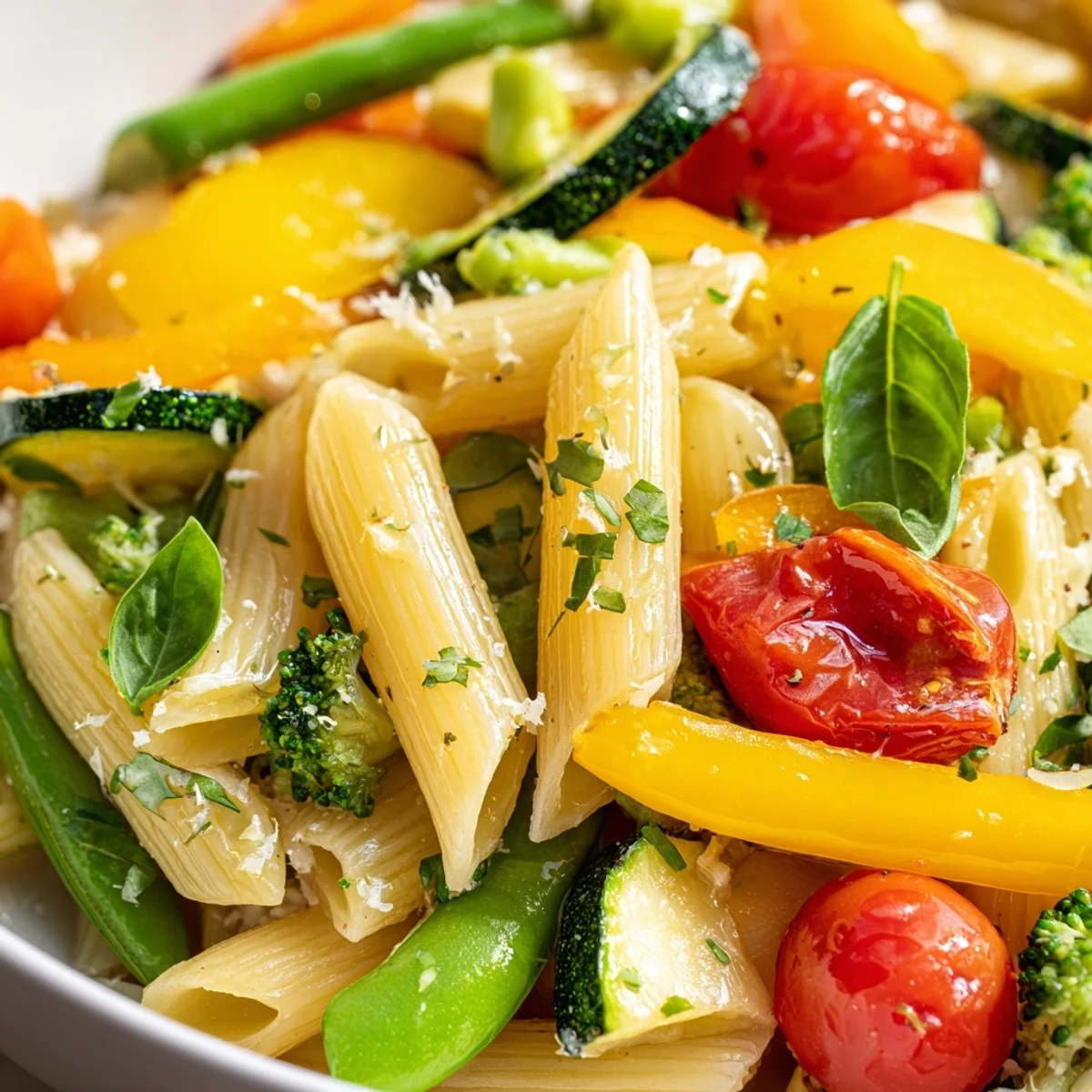
 There is something so satisfying about a bowl of pasta that tastes like sunshine and fresh air. I hope this becomes one of those recipes you turn to again and again, adjusting it each time until its perfectly yours.
Recipe FAQ
- → What vegetables work best in pasta primavera?
-
Spring and summer vegetables shine in this dish. Zucchini, yellow squash, bell peppers, cherry tomatoes, sugar snap peas, and broccoli florets provide color, texture, and flavor. You can also add asparagus, peas, or carrots based on preference and seasonality.
- → How do I prevent the vegetables from becoming mushy?
-
Sauté vegetables over medium heat and cook until just tender-crisp. Add longer-cooking vegetables like squash and broccoli first, then quick-cooking items like cherry tomatoes near the end. This preserves their texture and vibrant color in the finished dish.
- → Can I make this dairy-free?
-
Absolutely. Simply omit the Parmesan cheese or substitute with a vegan alternative. The pasta water creates a silky consistency that binds the light sauce, so you won't miss the creaminess. Nutritional yeast can also provide a savory, cheesy flavor without dairy.
- → What pasta shapes work well?
-
Penne and spaghetti are classic choices that hold the sauce beautifully. Other excellent options include fusilli, farfalle, or rigatoni. Choose shapes with nooks and ridges to capture the light sauce and small vegetable pieces. Gluten-free pasta works too if needed.
- → How long will leftovers keep?
-
Stored in an airtight container in the refrigerator, leftovers remain fresh for 3-4 days. Reheat gently with a splash of water or olive oil to refresh the sauce. The vegetables may soften slightly but the flavors continue to develop beautifully.
- → Can I add protein to make it more filling?
-
Yes, this dish adapts well to protein additions. Cooked chicken breast, shrimp, or chickpeas complement the flavors perfectly. Add protein during the final toss so it heats through without overcooking. Grilled salmon or white beans also make excellent additions.