
 Pin It
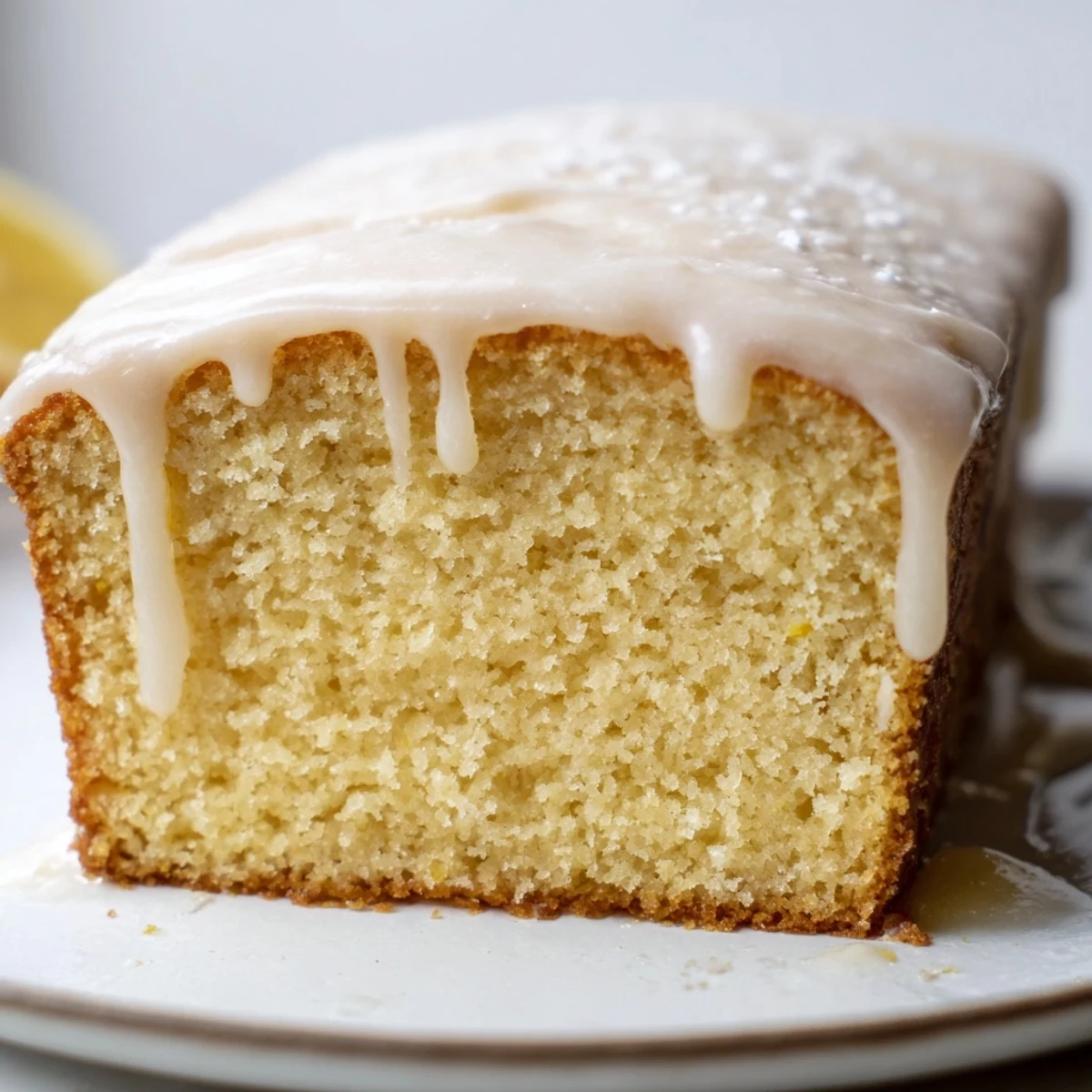
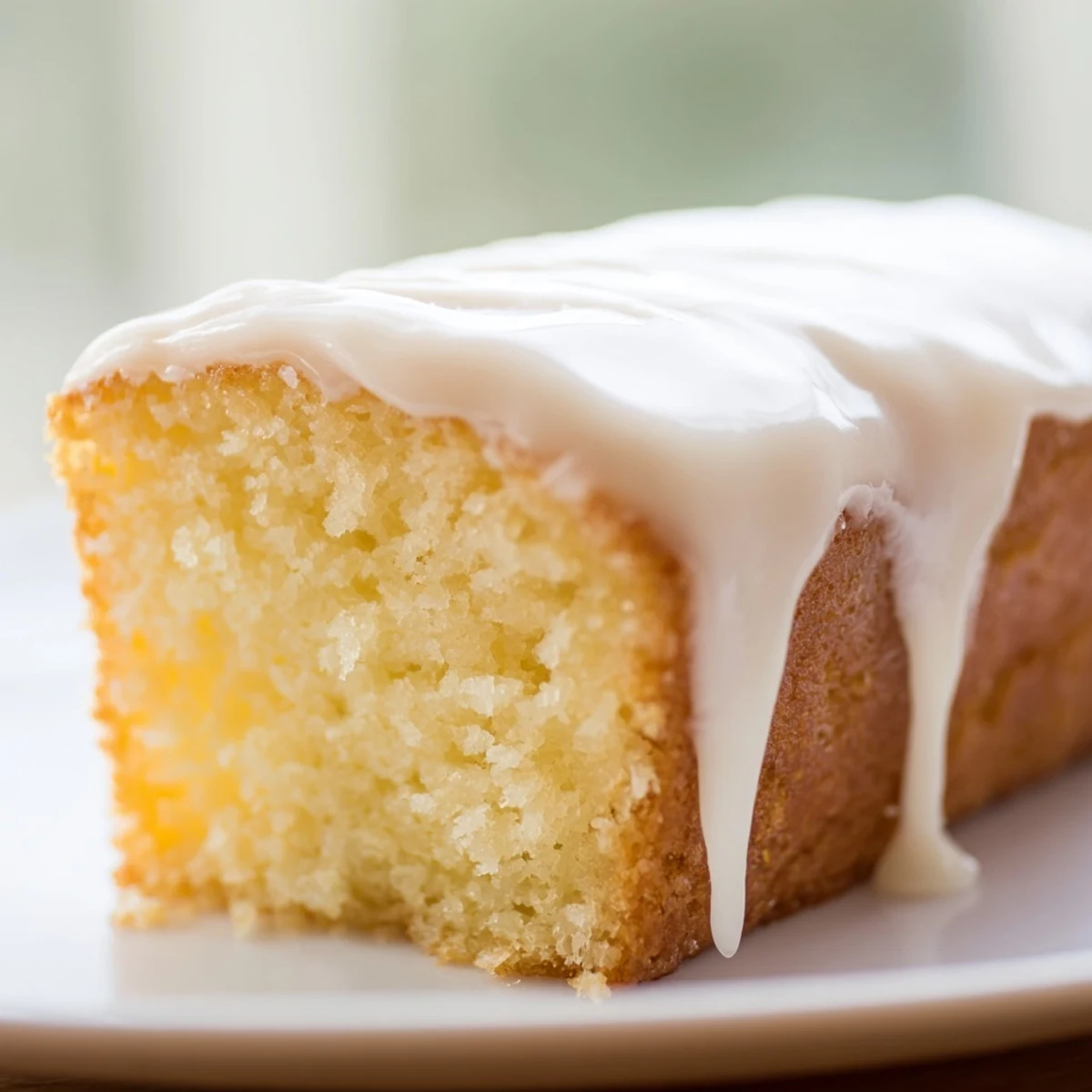
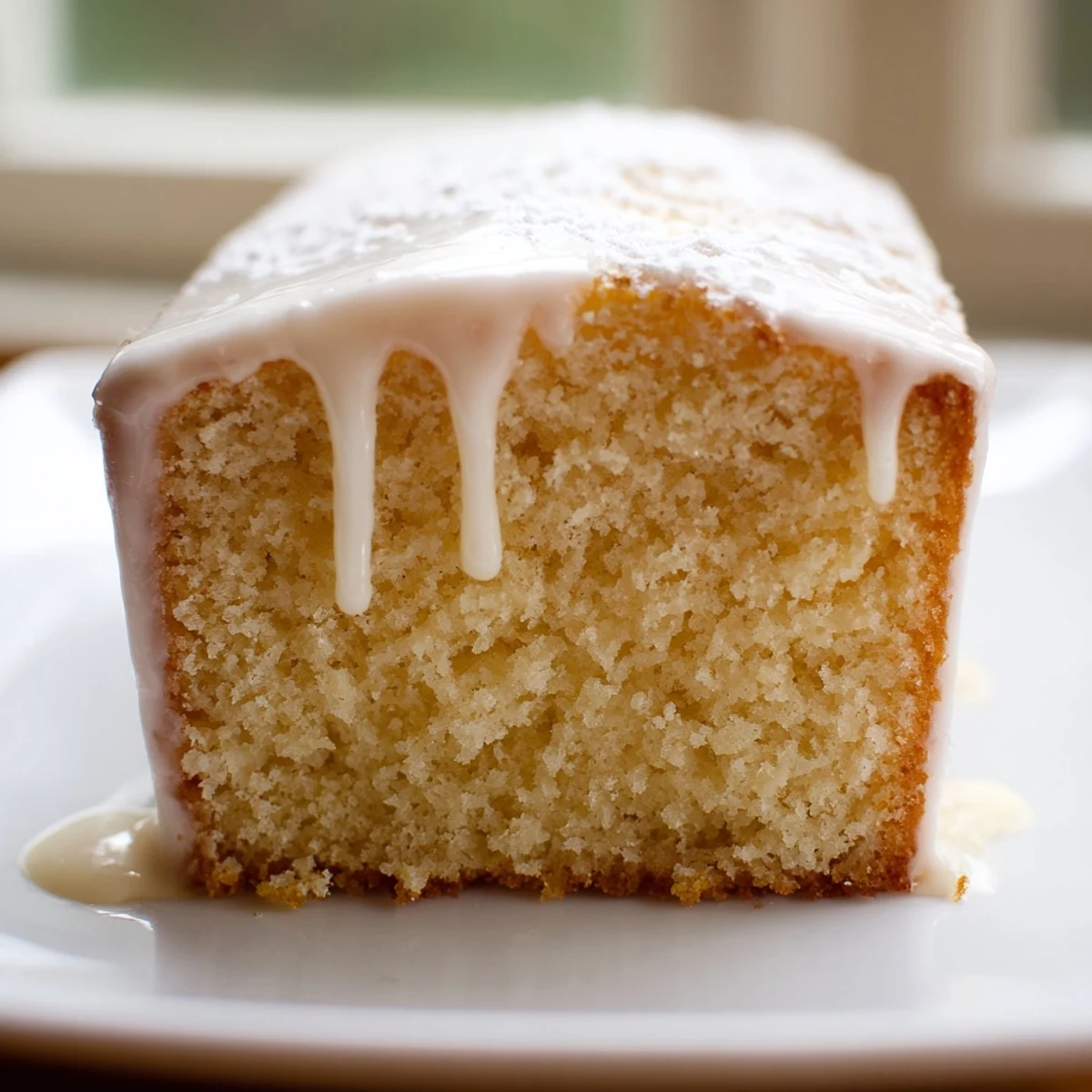
 This classic church gathering cake features a tender buttermilk vanilla sponge topped with a simple powdered sugar glaze. The batter comes together quickly using traditional creaming methods, resulting in a moist crumb that stays fresh for days. Bake in a 9x13 pan for easy serving at potlucks, brunches, or community events. The subtle vanilla flavor appeals to all ages, while the sweet drizzle adds just enough richness without being overwhelming.
The church basement kitchen always smelled like this cake, warm vanilla and butter curling through the air during every potluck and funeral reception. I stood beside Mrs. Henderson watching her cream butter and sugar by hand, her arms moving in steady confident circles while she told me the secret was patience not power. Now whenever I bake it, that same tender fragrance fills my kitchen and brings back those Sunday mornings when the best conversations happened over paper plates and squares of yellow cake.
My daughter requested this for her eighth birthday instead of a fancy bakery cake, saying it tasted like hugs from all the grandmothers at church. I made three that year, one for the party and two for the freezer because she kept asking for just one more small square after school.
Ingredients
- All-purpose flour: provides the structure for this tender sponge cake without making it tough
- Baking powder and baking soda: work together to give the cake its gentle rise and light texture
- Salt: balances the sweetness and brings all the flavors forward
- Unsalted butter: softened to room temperature so it creams properly with the sugar for a fluffy base
- Granulated sugar: sweetens the cake while creating that tender crumb we all love
- Large eggs: add richness and help bind everything together
- Vanilla extract: the soul of this cake, giving it that classic comforting flavor
- Buttermilk: the secret ingredient that keeps the cake incredibly moist and adds a subtle tang
- Powdered sugar: creates the smooth sweet glaze that finishes the cake perfectly
- Milk: thins the glaze to just the right pourable consistency
Instructions
- Get your oven ready:
- Preheat to 350°F and grease a 9x13 inch baking dish with butter, then dust it lightly with flour so the cake releases easily later.
- Whisk the dry ingredients:
- In a medium bowl, combine the flour, baking powder, baking soda, and salt until everything is evenly distributed.
- Cream the butter and sugar:
- Beat the softened butter and sugar together for about 3 minutes until the mixture turns pale and fluffy, scraping down the sides once.
- Add the eggs and vanilla:
- Drop in the eggs one at a time, beating well after each one, then pour in the vanilla and mix until combined.
- Combine everything:
- Add the flour mixture and buttermilk alternately, starting and ending with the flour, mixing just until you no longer see dry streaks.
- Bake the cake:
- Spread the batter evenly in your prepared pan and bake for 30 to 35 minutes until a toothpick inserted in the center comes out clean.
- Cool completely:
- Let the cake rest in the pan for 15 minutes, then move it to a wire rack to finish cooling before glazing.
- Make the glaze:
- Whisk together the powdered sugar, 2 tablespoons of milk, and vanilla until smooth, adding more milk if needed to reach a pourable consistency.
- Finish and serve:
- Drizzle the glaze over the cooled cake and let it set for about 15 minutes before slicing into squares.
 Pin It
 This recipe has traveled to more church suppers and family reunions than I can count, always arriving in the same foil wrapped pan that has seen decades of gatherings.
Making It Your Own
Try adding lemon zest to the batter for a bright citrus version, or fold in a cup of chopped pecans before baking for extra texture.
Serving Suggestions
This cake pairs wonderfully with fresh berries and whipped cream for summer gatherings, or serve it warm with vanilla ice cream for a comforting dessert.
Storage And Make Ahead Tips
The unfrosted cake freezes beautifully for up to three months, wrapped tightly in plastic wrap and foil.
- Wrap individual slices in plastic for quick lunchbox treats
- Store the frosted cake at room temperature for up to two days, covered with a dome or foil
- Add a squeeze of fresh lemon juice to the glaze for a tangy variation
 Pin It
 Some recipes measure in cups and grams, but this one measures in comfort and the number of people who ask for the recipe.
Recipe FAQ
- → Why is it called church cake?
-
This cake earned its name from generations of church potlucks and fellowship gatherings where home bakers would bring it to share. The 9x13 pan format feeds a crowd affordably, and the simple ingredients were readily available in most pantries. It travels well and slices cleanly, making it ideal for buffet-style serving.
- → Can I make this cake ahead of time?
-
Absolutely. This cake actually improves slightly when made a day ahead, allowing the flavors to meld and the crumb to settle. Store tightly wrapped at room temperature for up to 3 days. Add the glaze shortly before serving for the freshest appearance, though glazed cake also keeps well.
- → What does buttermilk do in this cake?
-
Buttermilk's acidity activates the baking soda for extra lift, while its thick consistency creates a tender, moist crumb. The subtle tang balances the sweetness and complements vanilla beautifully. If you don't have buttermilk, regular milk mixed with a tablespoon of lemon juice works as a substitute.
- → How do I know when the cake is done?
-
Insert a toothpick into the center of the cake—it should come out clean or with just a few moist crumbs. The edges will start pulling away from the pan slightly, and the top will spring back when gently pressed. Overbaking leads to a dry texture, so check at the 30-minute mark.
- → Can I freeze this cake?
-
Yes, freeze the unglazed cake wrapped tightly in plastic and foil for up to 3 months. Thaw overnight at room temperature before glazing. You can also freeze individual slices for portion-controlled treats. The glaze doesn't freeze well, so always add it after thawing.
- → What size pan should I use?
-
A standard 9x13-inch pan is traditional for this cake, yielding 12 generous servings. You can also use two 8-inch round pans for a layered version, adjusting the baking time to 25-30 minutes. Avoid smaller pans or the batter will overflow. A bundt pan works too, though glazing will be different.