
 Pin It
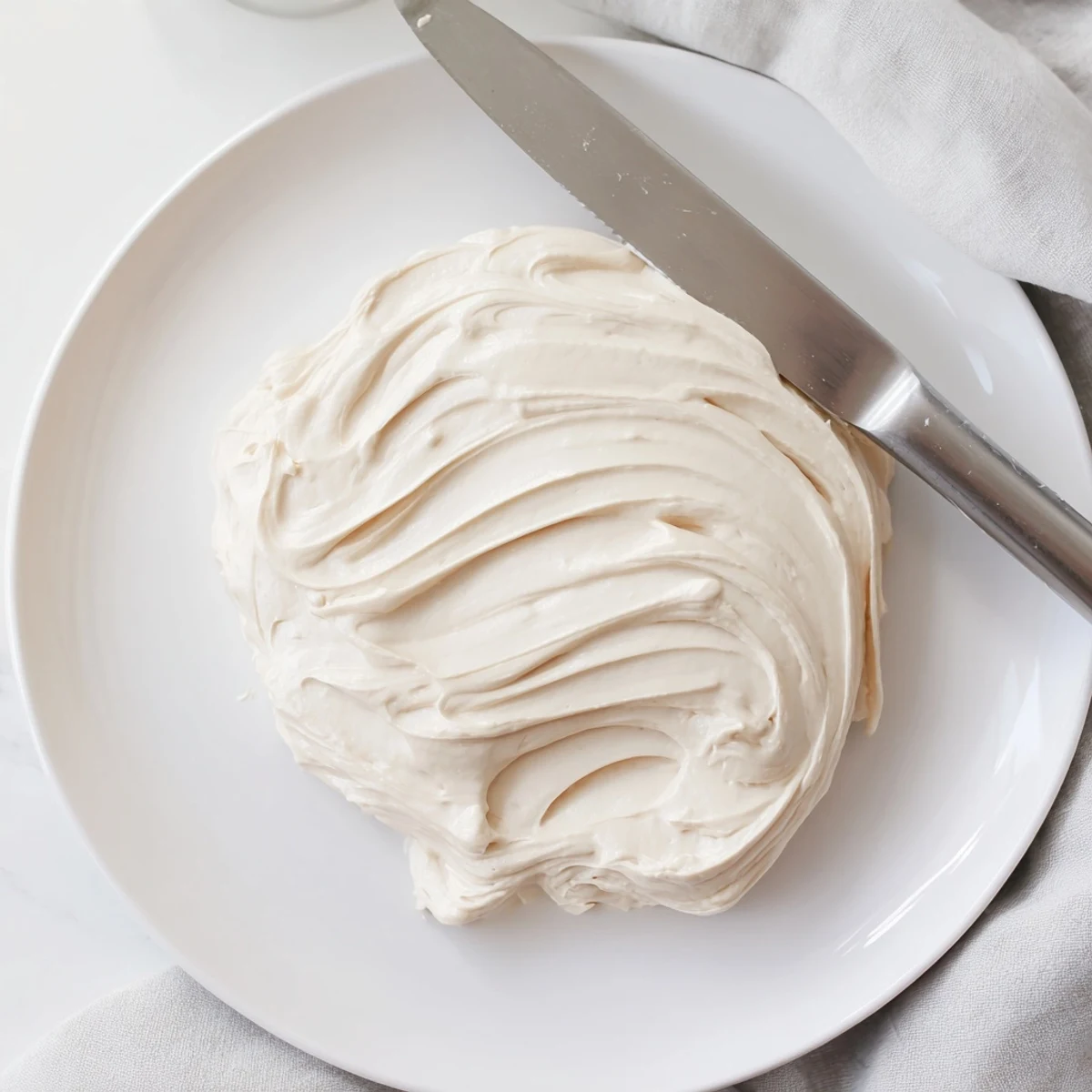
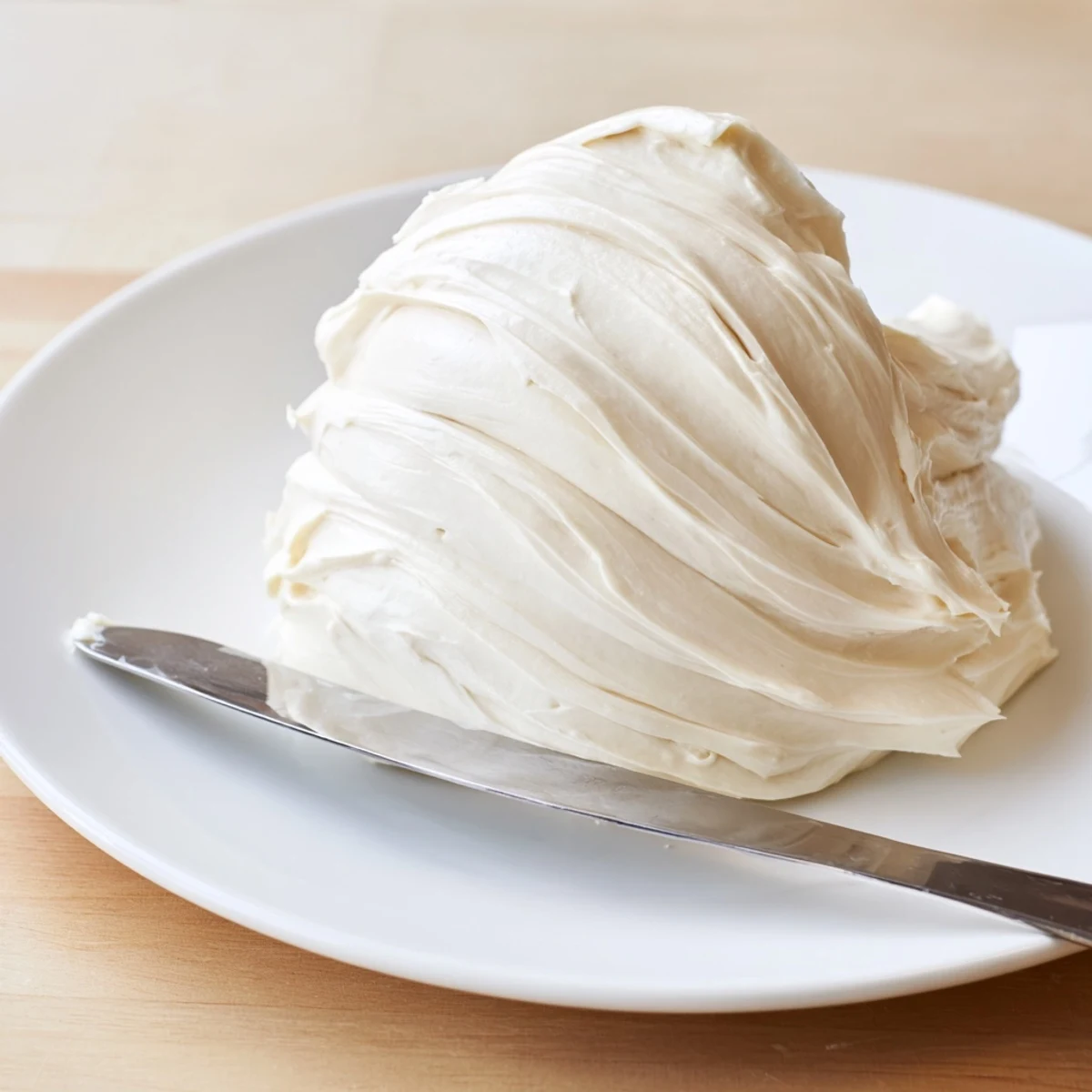
 Italian meringue buttercream is a luxurious, silky-smooth frosting made by pouring hot sugar syrup into whipped egg whites, then beating in softened butter until velvety and spreadable.
It delivers a delicate sweetness and incredibly stable texture that holds up beautifully on layered cakes, cupcakes, and other decorated desserts. Unlike simpler frostings, it withstands warmer temperatures without melting or losing shape.
The technique requires a candy thermometer and a stand mixer, but the results are well worth the effort — a professional-grade finish with a melt-in-your-mouth quality that elevates any dessert.
My stand mixer has a small scorch mark on the bowl from the night I got distracted by a phone call while sugar syrup climbed past 120 degrees and caramelized in seconds. That disaster taught me more about Italian meringue buttercream than any cookbook ever could. There is something almost meditative about watching egg whites transform into glossy clouds while hot syrup threads in like liquid gold. Once you nail this frosting, every cake in your kitchen will thank you.
I made this buttercream for my sisters wedding cake, standing in a borrowed kitchen at midnight with flour in my hair and a candy thermometer clipped to a saucepan. The meringue peaked perfectly, the butter folded in without a single curdle, and I actually whispered thank you to the bowl. Little victories in the kitchen feel enormous when someone you love is counting on every slice.
Ingredients
- Granulated sugar (200 g): Standard white sugar works best here, dissolving cleanly into syrup without introducing extra flavor.
- Water (60 ml): Just enough to help the sugar dissolve evenly before the boiling concentrates it into a precise syrup.
- Egg whites (120 g, about 4 large): Room temperature whites whip to greater volume, so pull them from the fridge an hour ahead or warm the bowl gently with your hands.
- Cream of tartar (1/4 tsp): An optional stabilizer that gives the whites extra insurance against collapsing.
- Salt (1/4 tsp): A small pinch that balances the sweetness and wakes up every flavor layered underneath.
- Unsalted butter (340 g): It must be truly at room temperature, soft enough to leave a fingerprint but not melting or greasy.
- Pure vanilla extract (1 to 2 tsp): Use the real stuff if you can, because the delicate meringue base lets every nuance shine through.
Instructions
- Start the sugar syrup:
- Combine sugar and water in a small saucepan and stir gently off the heat to moisten every grain. Set it over medium heat and resist the urge to stir, letting the mixture climb toward 115 degrees on a candy thermometer.
- Whip the egg whites:
- While the syrup heats, start your stand mixer on medium speed with the egg whites and cream of tartar until they turn foamy and translucent. Add the salt and let the whites continue building toward soft peaks as you watch the syrup.
- Stream in the hot syrup:
- The moment the syrup hits 115 degrees, remove it from heat and pour it into the running mixer in a thin, steady stream, avoiding the whisk so it does not splatter. The bowl will feel warm and the whites will begin to swell and shine.
- Whip to stiff glossy peaks:
- Crank the speed to high and let the mixer run for roughly ten minutes until the meringue holds tall, glossy peaks and the outside of the bowl feels completely cool to your palm. Patience here prevents melted butter later.
- Add the butter cube by cube:
- Switch to the paddle attachment and drop in softened butter one small cube at a time on medium speed, waiting until each piece disappears before adding the next. The mixture may look curdled and alarming halfway through, but trust the process and keep going until it turns velvety smooth.
- Flavor and finish:
- Beat in the vanilla extract until everything is homogeneous and silky. If the buttercream feels too soft, pop the bowl in the fridge for five minutes and rewhip until it firms to a spreadable consistency.
 Pin It
 There is a quiet kind of pride that settles in when you frost a cake with buttercream you coaxed into existence from sugar, eggs, and patience alone.
Storing Your Buttercream
Tuck any leftover buttercream into an airtight container and it will keep in the refrigerator for up to a week, or slide it into the freezer for two months without losing its consistency. When you are ready to use it again, let it come fully to room temperature, which might take several hours, then rewhip until it returns to that original silkiness. Rushing the rewhip while the butter is still cold will give you a lumpy texture that no amount of spreading can hide.
Flavor Variations Worth Trying
Once you have the base dialed in, swap the vanilla for espresso powder dissolved in a teaspoon of warm water, or fold in finely grated citrus zest for a bright, unexpected layer. A tablespoon of high quality cocoa powder sifted in during the final beating turns the whole batch into a mocha frosting that pairs beautifully with devil food cake. Each variation tastes like a completely different recipe while using the same reliable technique you already trust.
Troubleshooting Common Problems
Most problems trace back to temperature, either the syrup was too hot or too cold, the butter was not soft enough, or the meringue had not cooled before the fat went in. Once you learn to read the cues of each stage, the whole process becomes second nature and surprisingly forgiving.
- If the buttercream looks soupy after all the butter is in, chill the bowl for ten minutes and whip again at medium speed until it tightens up.
- Tiny butter lumps usually mean your butter was too cold, so let the mixer run a few extra minutes or briefly wave a hair dryer over the outside of the bowl.
- Always strain your egg whites through a fine mesh sieve if you accidentally get a speck of yolk in them, because fat inhibits whipping.
 Pin It
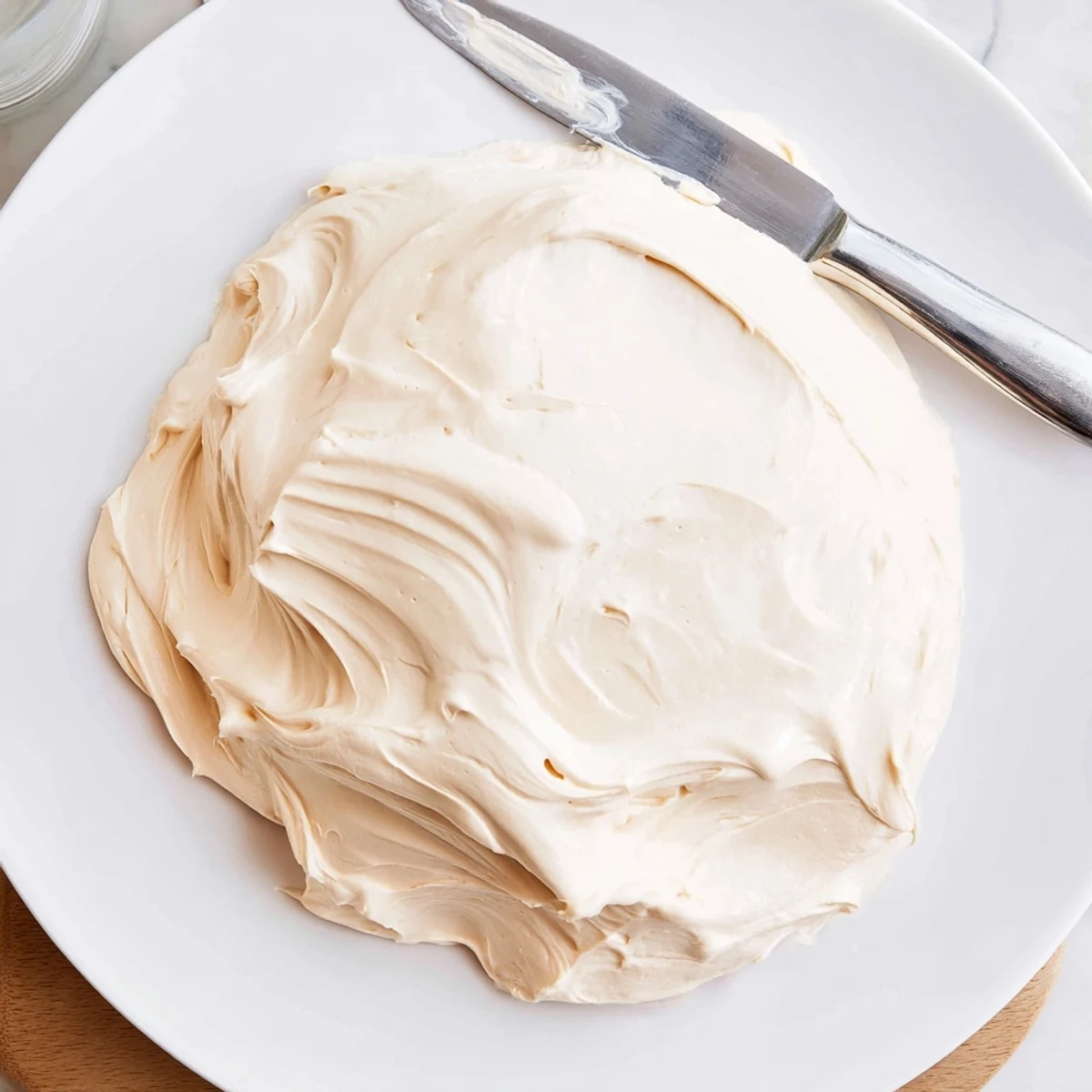
 Every cake you frost with this buttercream carries a little bit of kitchen bravery in each swipe and swirl. That is what makes homemade worth the effort.
Recipe FAQ
- → Why did my buttercream curdle after adding the butter?
-
Curdling is completely normal during the butter-adding stage. The temperature difference between the meringue and butter causes temporary separation.
Simply keep beating on medium speed and the mixture will emulsify back into a silky, smooth buttercream within a few minutes.
- → Can I make Italian meringue buttercream ahead of time?
-
Yes, it stores beautifully. Refrigerate in an airtight container for up to one week, or freeze for up to two months.
When ready to use, bring it to room temperature completely, then re-whip until smooth and spreadable again.
- → Do I really need a candy thermometer?
-
A candy thermometer is strongly recommended because the sugar syrup must reach exactly 115°C (240°F) for proper meringue structure.
Without accurate temperature control, the syrup may not cook enough to stabilize the egg whites, or it may overcook and become too hard to incorporate.
- → Can I flavor this buttercream beyond vanilla?
-
Absolutely. This buttercream takes well to many flavor additions including citrus zest, espresso powder, melted chocolate, fruit purées, and various extracts.
Add flavorings at the final mixing stage and adjust quantities gradually to taste.
- → What if my buttercream is too soft to spread?
-
If the buttercream feels too soft or loose, pop the bowl in the refrigerator for 10 to 15 minutes to firm up the butter, then re-whip until it reaches the desired consistency.
This commonly happens when the butter or meringue is too warm during mixing.
- → Is Italian meringue buttercream safe to eat with raw egg whites?
-
The hot sugar syrup reaches 115°C (240°F), which cooks the egg whites sufficiently during the whipping process, making them safe to consume.
The high heat pasteurizes the whites while simultaneously creating the stable meringue structure.