 Pin It
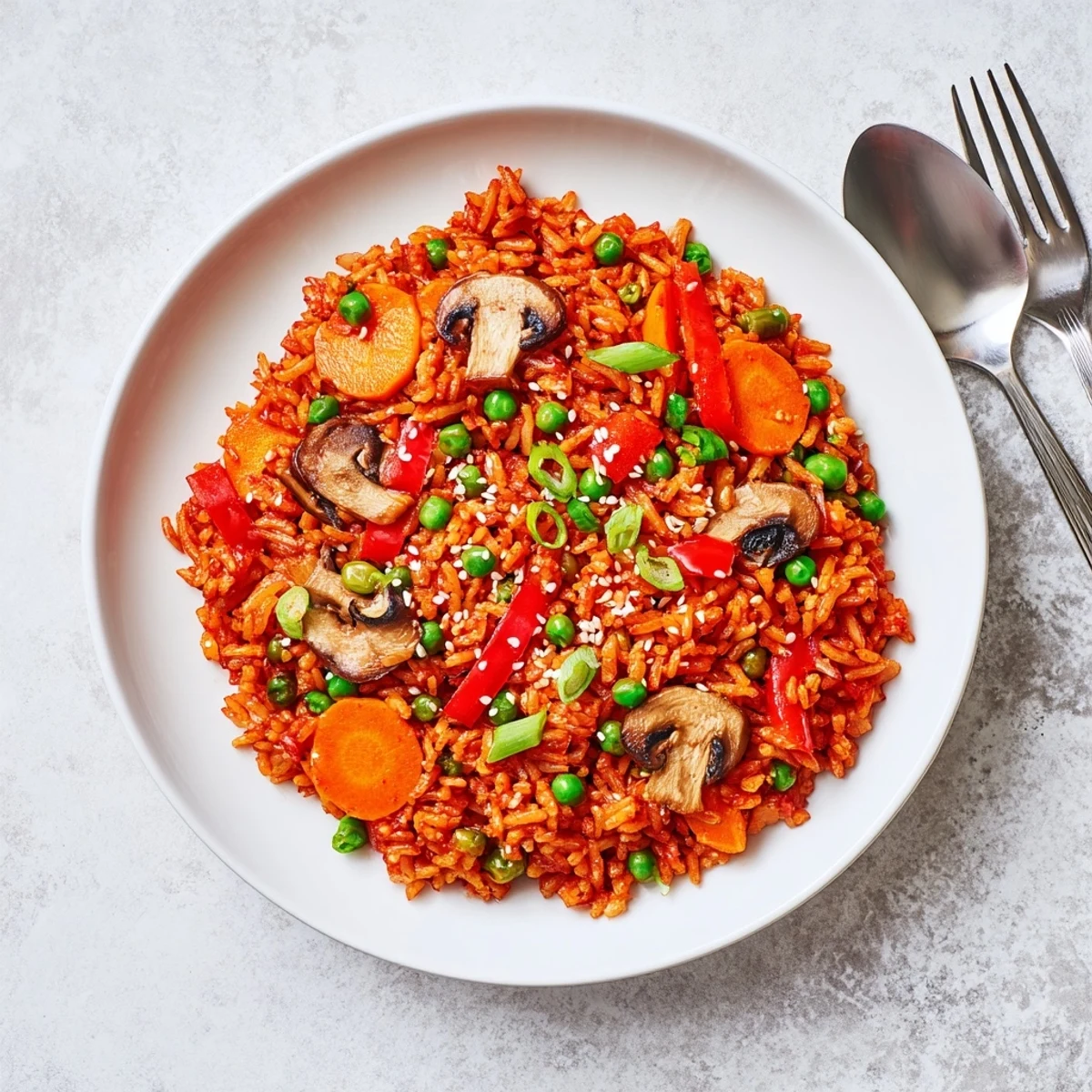
 This Korean-inspired fried rice delivers bold, spicy flavors through gochujang chili paste combined with crisp vegetables and aromatic rice. The dish comes together in just 30 minutes, making it perfect for weeknight dinners when you want something satisfying and full of personality.
The key is using day-old rice for the best texture, though freshly cooked jasmine rice works when cooled properly. The gochujang sauce creates a beautifully balanced profile—savory, slightly sweet, and pleasantly spicy that coats every grain and vegetable evenly.
Fold in cubed baked tofu or edamame for added protein, or adjust the vegetables based on what's in your season. Leftovers maintain their texture beautifully for lunch the next day.
The sizzle of rice hitting a screaming hot wok on a Tuesday night changed my entire relationship with weeknight cooking. I had a nearly empty fridge, half a jar of gochujang lurking in the back corner, and leftover rice from two days prior that had dried out just enough to be perfect. What landed on the plate thirty minutes later was so bold and satisfying that I actually laughed at how simple it was.
My roommate walked in halfway through cooking and stood in the kitchen doorway just breathing in the smell of toasted sesame and chili paste. I handed her a fork straight from the drawer and we ate standing at the counter, scraping the wok clean before the rice even had time to cool.
Ingredients
- 3 cups cooked jasmine or short grain rice (day old preferred): Fresh rice holds too much moisture and turns gummy, so leftover rice that has dried out in the fridge is the real secret here.
- 1 medium carrot, diced: Adds sweetness and a satisfying crunch that holds up to high heat.
- 1 cup frozen peas: No need to thaw them, they cook through in seconds and bring bright pops of color.
- 1 red bell pepper, diced: Its natural sweetness balances the fiery depth of the gochujang beautifully.
- 4 green onions, sliced with white and green parts separated: The whites cook down into an aromatic base while the greens stay fresh for finishing.
- 2 cloves garlic, minced: Essential for building that deep savory foundation.
- 1 cup shiitake or button mushrooms, sliced: Shiitake brings an earthy umami punch that makes the whole dish feel meaty without any meat.
- 3 tbsp gochujang (vegan Korean chili paste): The star of the sauce, delivering fermented complexity, gentle heat, and a gorgeous red hue.
- 2 tbsp soy sauce or tamari: Use tamari if you need this gluten free, either way it provides the salty backbone.
- 1 tbsp toasted sesame oil: Just a drizzle adds an unmistakable nutty aroma that ties everything together.
- 1 tbsp maple syrup or agave: Rounds out the heat and deepens the sauce without overpowering it.
- 1 tbsp rice vinegar: A splash of acidity brightens the whole dish and cuts through the richness.
- 1 tbsp neutral oil: Vegetable or canola oil lets the flavors shine without competing.
- Sesame seeds and extra sliced green onions for garnish: These are not optional in my kitchen, they add texture and a finished look that makes the dish sing.
Instructions
- Mix the sauce:
- In a small bowl, whisk together the gochujang, soy sauce, sesame oil, maple syrup, and rice vinegar until smooth. Taste it on the tip of a spoon and adjust if you want it sweeter or sharper.
- Heat the pan:
- Set a large skillet or wok over medium high heat and add the neutral oil, letting it shimmer until it just starts to smoke.
- Build the aromatic base:
- Toss in the white parts of the green onions, garlic, and diced carrots, stir frying for about two minutes until the garlic is fragrant and the carrots have softened slightly.
- Cook the heartier vegetables:
- Add the bell pepper and mushrooms, spreading them into an even layer and letting them sit undisturbed for a moment so they brown instead of steam.
- Add the peas:
- Stir in the frozen peas and cook for one minute just until they thaw and warm through.
- Fry the rice:
- Crank the heat to high, dump in the rice, and use your spatula to break up every clump, tossing constantly for two to three minutes until each grain is separate and hot.
- Cover everything in sauce:
- Pour the gochujang mixture over the rice and vegetables, stirring vigorously so every grain gets coated, and cook for another two to three minutes until you hear the rice crackling and crisping against the pan.
- Finish and serve:
- Take the wok off the heat, fold in the green parts of the green onions, taste for seasoning, and serve immediately topped with sesame seeds and more green onions.
 Pin It
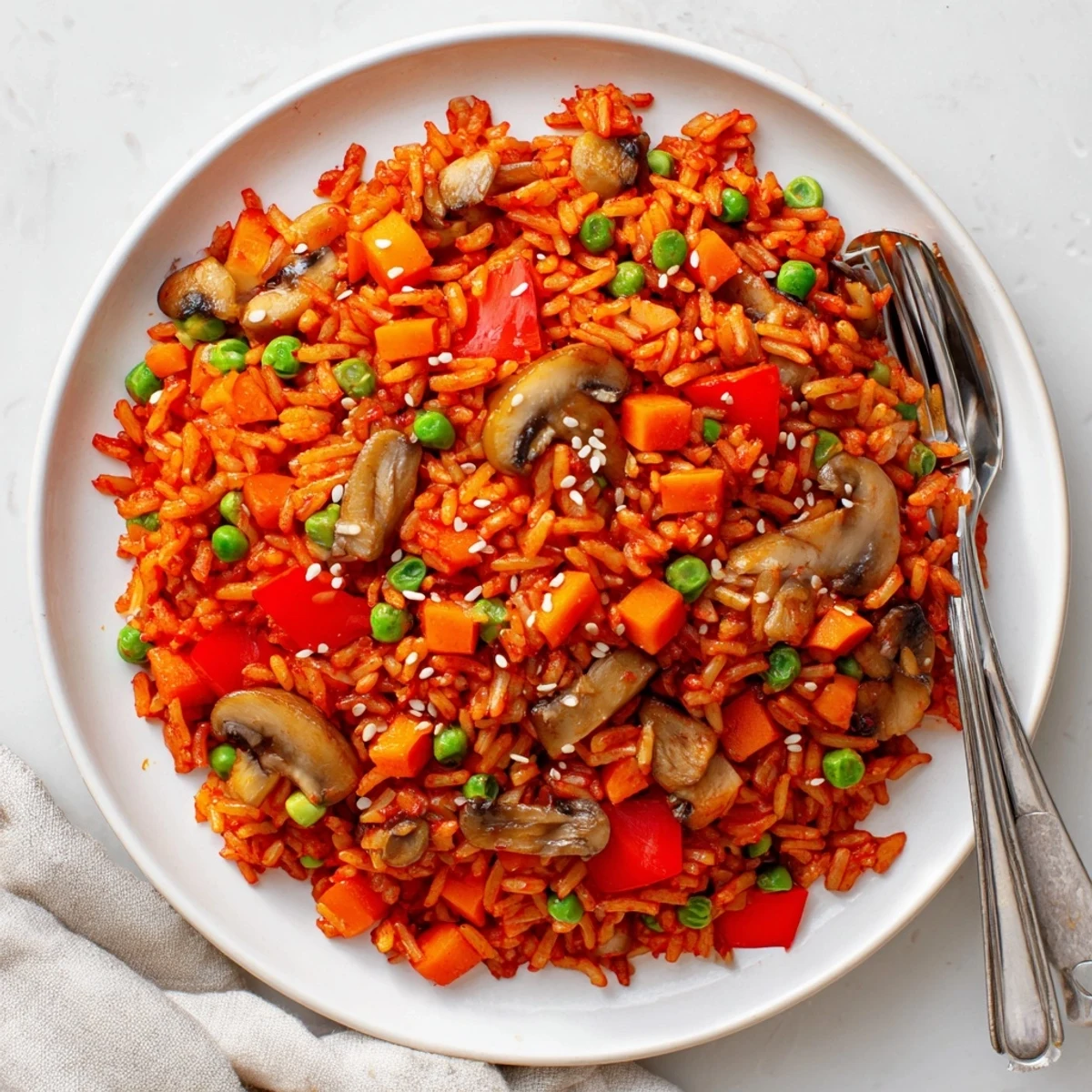
 I made a double batch for a potluck once and watched a friend who swears she hates spicy food go back for thirds, which told me everything I needed to know about the universal appeal of this dish.
Adding Protein to Make It a Feast
Cubed baked tofu pressed and golden brown folds into this fried rice effortlessly and turns it into a genuinely filling meal. Edamame shelled and tossed in during the last minute is my lazy weeknight shortcut when tofu feels like too much effort.
Swapping Vegetables With the Seasons
Zucchini in summer, shredded Brussels sprouts in fall, or even handfuls of baby spinach stirred in at the very end all work beautifully. The only rule is to keep the total volume of vegetables roughly the same so the rice to vegetable ratio stays balanced.
Storing and Reheating Leftovers
This fried rice stores remarkably well in an airtight container in the fridge for up to three days, and honestly I think the flavors deepen overnight. Reheating in a hot skillet brings back the crisp edges that the microwave simply cannot replicate.
- Let the rice cool completely before sealing the container to prevent condensation from making it soggy.
- A splash of extra soy sauce during reheating wakes up flavors that have mellowed in the fridge.
- Never freeze this dish, the texture of the vegetables suffers and the rice turns grainy.
 Pin It
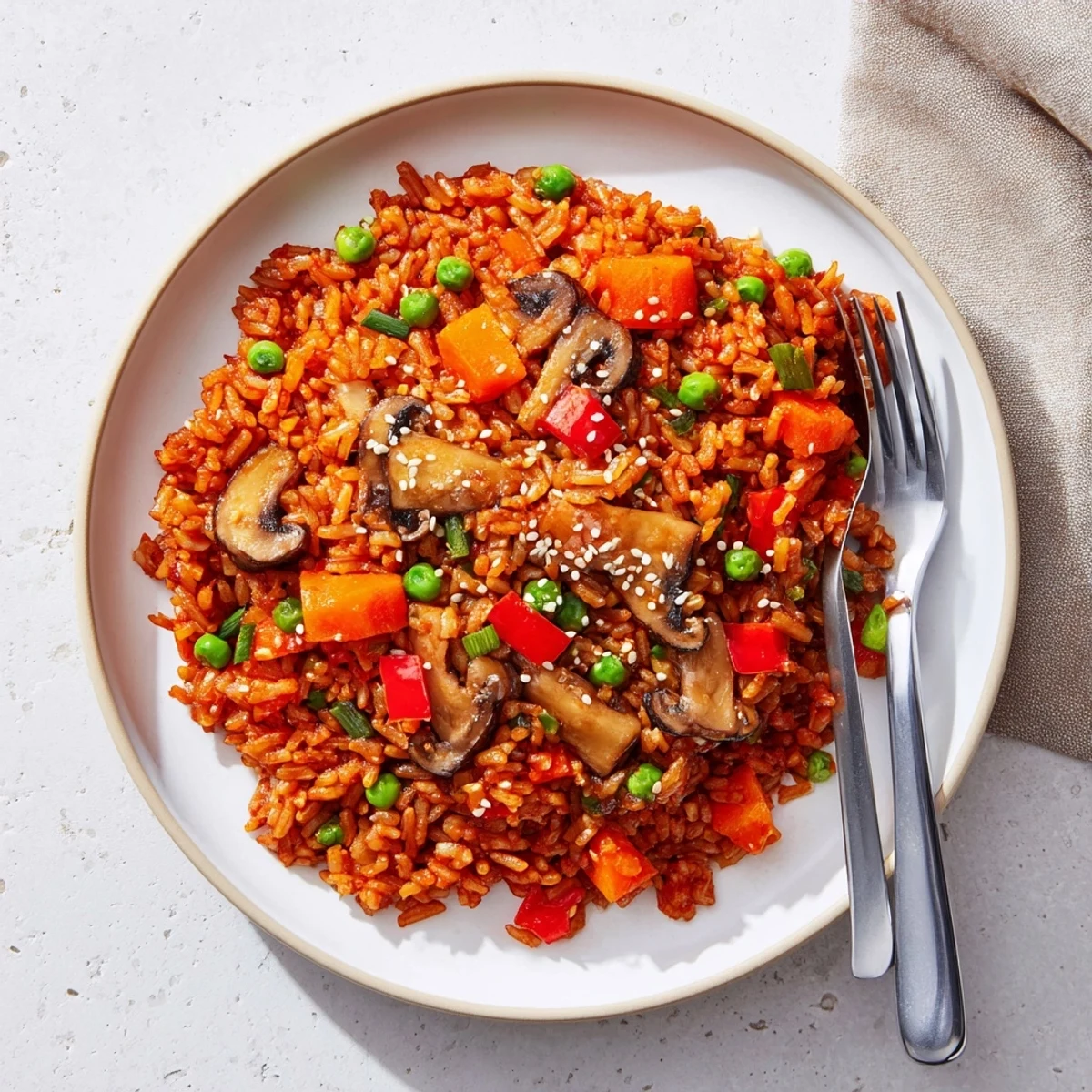
 Some nights the best meals are born from whatever needs using up, and this fried rice is proof that a little creativity and a jar of gochujang can transform humble leftovers into something extraordinary.
Recipe FAQ
- → What does gochujang taste like?
-
Gochujang delivers a complex balance of savory, sweet, and spicy flavors. It's fermented for depth, with a rich umami character and moderate heat that builds gradually. The paste adds a beautiful red color and thick texture that coats rice perfectly.
- → Can I use fresh rice instead of day-old?
-
Freshly cooked rice can work if spread on a baking sheet and cooled in the refrigerator for 30 minutes. This firms up the grains and prevents them from becoming mushy during stir-frying. Day-old rice naturally has the right texture and is less likely to clump.
- → How can I make this gluten-free?
-
Use gluten-free tamari instead of soy sauce and ensure your gochujang is certified gluten-free. Some traditional gochujang brands contain wheat, so check labels carefully. The rest of the ingredients—vegetables, rice, and sesame oil—are naturally gluten-free.
- → Can I adjust the spice level?
-
Absolutely. Start with 2 tablespoons of gochujang for milder heat, or increase to 4 tablespoons for extra spice. You can also add sriracha or Korean chili flakes (gochugaru) if you want more heat without altering the sauce consistency. The maple syrup helps balance any additional spice.
- → What proteins work well in this dish?
-
Cubed baked tofu, pan-fried tempeh, or edamame add plant-based protein beautifully. For non-vegan additions, scrambled eggs, shredded chicken, or shrimp work wonderfully. Add proteins during step 6 so they heat through without becoming overcooked.
- → How should I store leftovers?
-
Store cooled fried rice in an airtight container in the refrigerator for up to 3 days. Reheat in a skillet over medium heat with a splash of water, or microwave in 30-second intervals until hot throughout. The rice may develop slightly crispy edges when reheated in a pan, which many people prefer.