
 Pin It
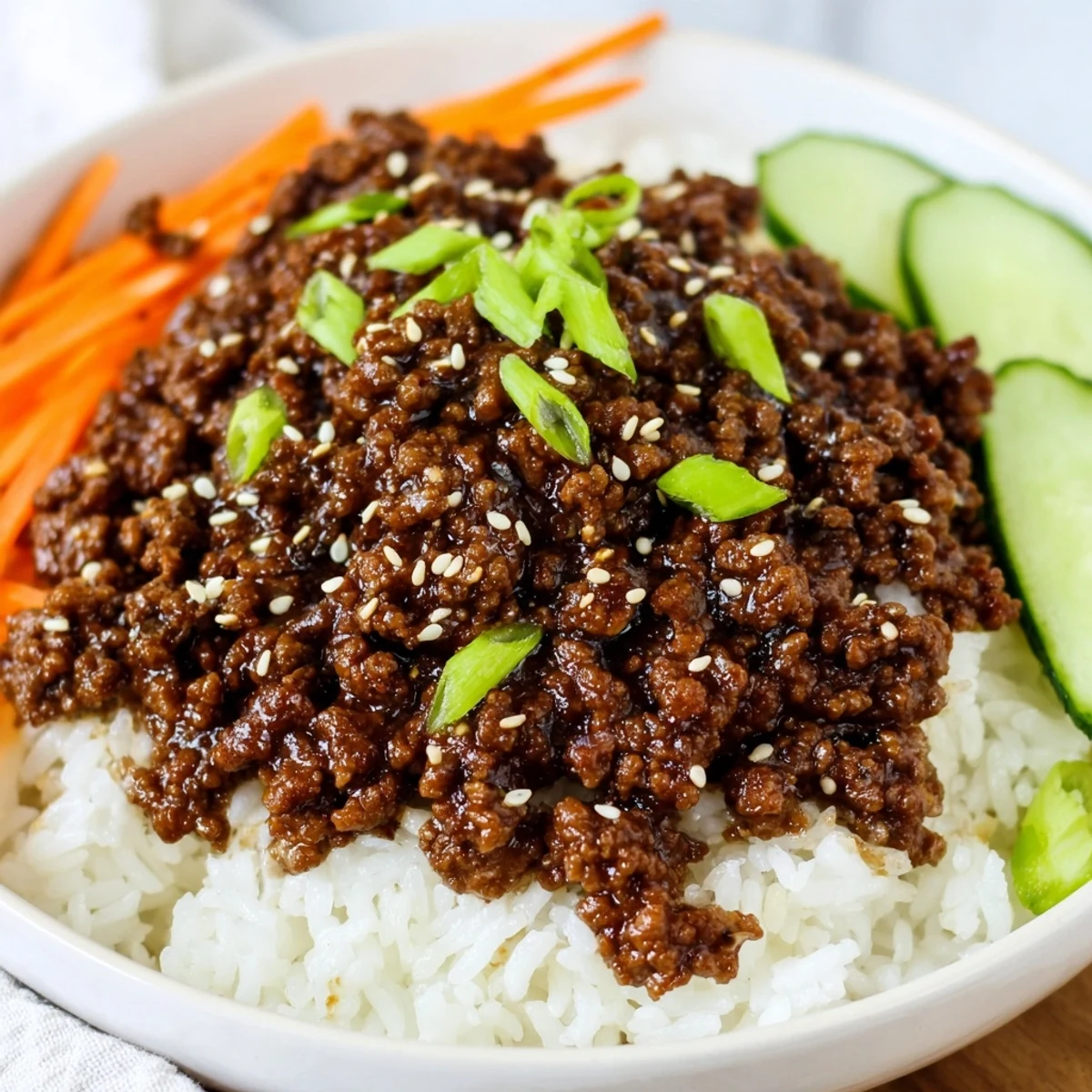
 This Korean ground beef bowl brings together savory-sweet flavors in a quick 25-minute meal perfect for busy weeknights. Lean ground beef is browned and simmered in a rich sauce made with soy sauce, brown sugar, sesame oil, garlic, and ginger.
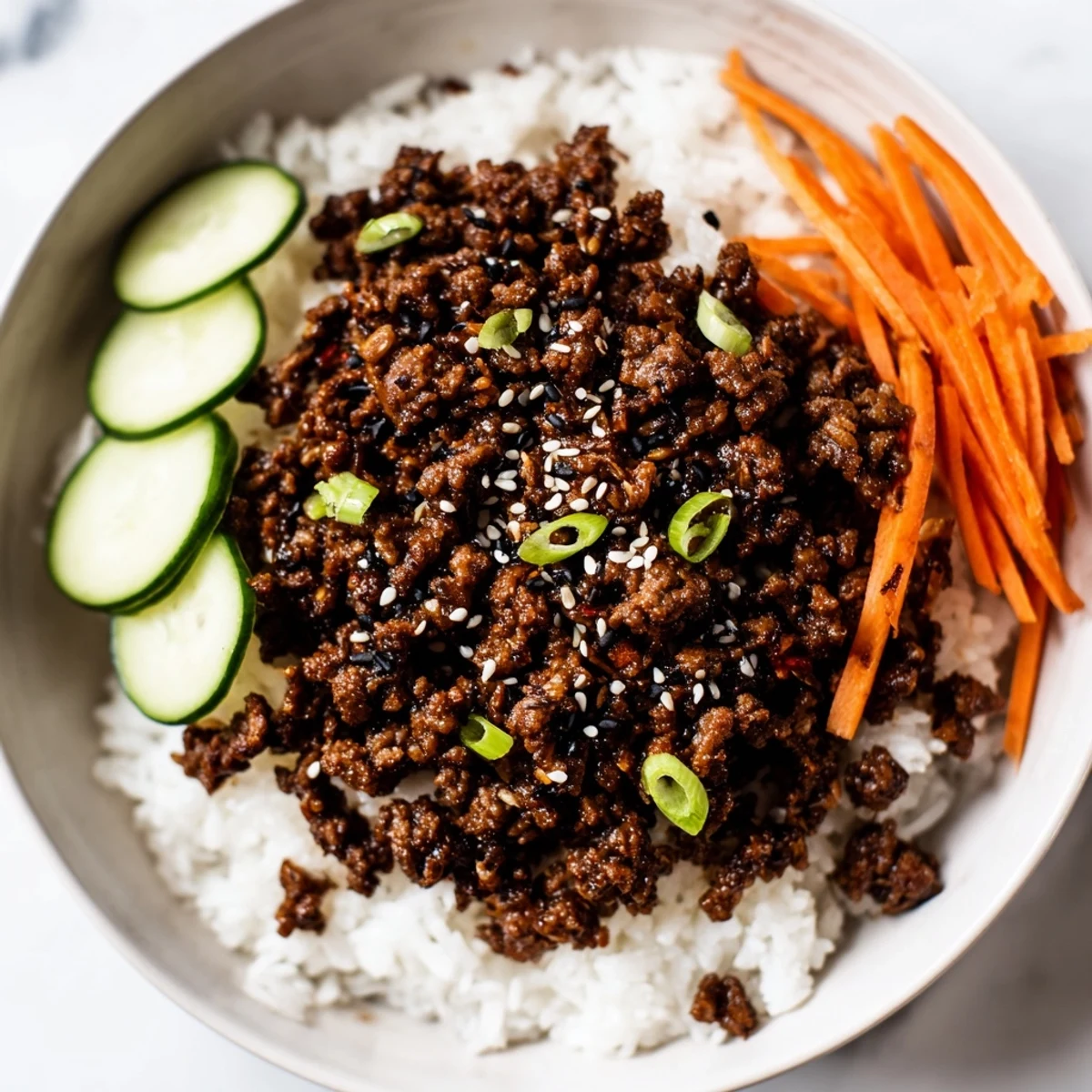
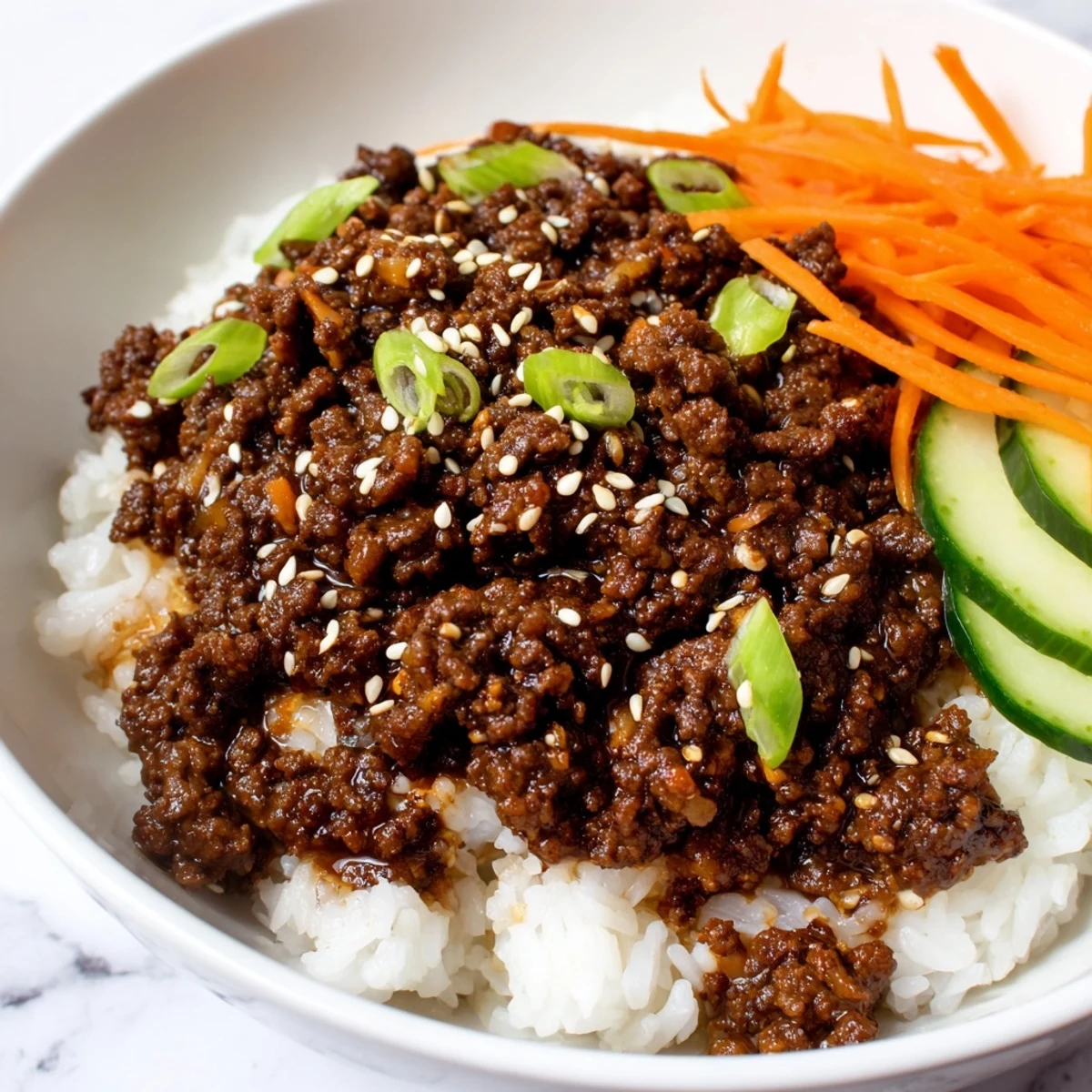
Served over steamed rice and topped with julienned carrots, sliced cucumber, spring onions, and toasted sesame seeds, each bowl delivers a satisfying balance of protein, fresh vegetables, and bold Korean-inspired flavors.
Easily customizable with ground turkey, chicken, or plant-based alternatives, and naturally dairy-free with a gluten-free option available.
The sizzle of ground beef hitting a hot skillet on a Tuesday evening is one of those sounds that instantly signals dinner is within reach. My sister introduced me to this Korean beef bowl during a phase when she was obsessed with recreating takeout favorites at home, and the smell of sesame oil and garlic wafting through her tiny apartment kitchen was enough to make me a believer on the spot. It took me exactly one bite to realize this was going into permanent rotation. Twenty five minutes later, I was scraping the bowl clean and asking for the recipe.
One rainy Thursday I made this for three friends who showed up unexpectedly, and we ended up standing around the kitchen counter eating straight from the skillet because nobody wanted to wait long enough to set the table. The carrot and cucumber add a cool crunch that balances the savory sweetness of the beef perfectly.
Ingredients
- Lean ground beef (500 g): Use 85% lean for the best balance of flavor and texture, draining excess fat keeps the sauce from becoming greasy.
- Low sodium soy sauce (60 ml): Regular soy sauce works too, but low sodium gives you more control over saltiness, especially since the reduction concentrates flavor.
- Light brown sugar (2 tbsp): This is what creates that glossy, caramel like coating on the beef, dark brown sugar works but will be slightly deeper in flavor.
- Sesame oil (2 tbsp): Toasted sesame oil is non negotiable here, it is the backbone of the entire aroma profile.
- Garlic, minced (3 cloves): Fresh garlic makes a noticeable difference, mince it finely so it melts into the sauce rather than clumping.
- Freshly grated ginger (2 tsp): Freeze your ginger and grate it straight from frozen for the finest texture and most potent flavor.
- Crushed red pepper flakes (1/2 tsp, optional): A gentle heat that builds, adjust up or down depending on your crowd.
- Rice vinegar (1 tbsp): Just a splash to brighten and balance the sweetness, do not skip this.
- Spring onions (4, thinly sliced): Reserve some for garnish and fold the rest into the beef for layered onion flavor.
- Carrot (1 medium, julienned): The matchstick cut matters because it gives you that satisfying snap alongside the tender beef.
- Cucumber (1, thinly sliced): English cucumbers work best since they have fewer seeds and a cleaner crunch.
- Toasted sesame seeds (1 tbsp): Toast them in a dry pan for two minutes and watch carefully, they go from golden to burnt in seconds.
- Cooked white or brown rice (600 g): Short grain white rice is traditional but brown rice adds a nutty heartiness that holds up well under the sauce.
Instructions
- Brown the beef:
- Heat a large skillet over medium high and add the ground beef, breaking it apart with a wooden spoon into small crumbles as it cooks. Let it develop some caramelized edges before stirring again, about 5 to 7 minutes, and drain the fat if the pan looks pooling.
- Whisk the sauce:
- While the beef cooks, combine soy sauce, brown sugar, sesame oil, garlic, ginger, red pepper flakes, and rice vinegar in a bowl, whisking until the sugar dissolves and everything is unified.
- Glaze the beef:
- Pour the sauce over the browned beef and stir to coat every crumble, then let it simmer for 3 to 4 minutes until the liquid reduces and thickens into a glossy glaze that clings to the meat.
- Build the bowls:
- Divide warm rice among four bowls and ladle the saucy beef over each portion, letting the juices seep down into the rice below.
- Add the toppings:
- Arrange julienned carrot, sliced cucumber, and spring onions over the beef, then finish with a generous shower of toasted sesame seeds.
- Serve and enjoy:
- Bring the bowls to the table immediately while everything is hot and fragrant, passing extra chili flakes or sriracha on the side for those who want more fire.
 Pin It
 There is something about a bowl of rice topped with savory, saucy beef that turns an ordinary weeknight into a small celebration without any extra effort.
Making It Your Own
Ground turkey or chicken works beautifully if you prefer a lighter protein, and the sauce is bold enough that you will not miss the beef. I once used crumbled tofu for a vegetarian friend and added an extra tablespoon of sesame oil to compensate, and she still talks about it months later.
Rice Matters More Than You Think
The rice is not just a bed for the beef, it is part of the dish. Day old rice that has been briefly reheated actually absorbs the sauce better than freshly cooked rice, which tends to be wetter and softer.
Storing and Reheating Leftovers
The beef mixture keeps beautifully in the refrigerator for up to four days and actually tastes better the next day when the flavors have had time to meld together fully.
- Store the beef and rice separately if possible to keep the rice grains from becoming mushy.
- Reheat the beef in a skillet with a splash of water to loosen the glaze back to its original consistency.
- Assemble fresh toppings right before eating so the vegetables stay crisp and bright.
 Pin It
 Once you have this recipe in your back pocket, weeknight dinners feel a lot less like a chore and a lot more like something worth looking forward to.
Recipe FAQ
- → Can I use ground turkey or chicken instead of beef?
-
Yes, ground turkey, chicken, or even plant-based alternatives work well as substitutes for the ground beef. Keep in mind that leaner meats may need a touch more sesame oil to maintain richness and prevent sticking.
- → How do I store and reheat leftovers?
-
Store the beef and rice separately in airtight containers in the refrigerator for up to 3 days. Reheat the beef in a skillet over medium heat or in the microwave, adding a splash of water or soy sauce to loosen the sauce.
- → Is this dish spicy?
-
The base dish has mild heat from optional red pepper flakes. You can easily adjust the spice level by increasing the flakes or serving with gochujang or sriracha on the side for those who prefer more heat.
- → What vegetables pair well with this bowl?
-
Beyond carrots and cucumber, sautéed spinach, blanched bean sprouts, steamed broccoli, or quick-picked radishes all make excellent additions. Aim for a mix of textures and colors for the best presentation.
- → Can I make this gluten-free?
-
Absolutely. Simply swap the regular soy sauce for a gluten-free tamari or coconut aminos. All other ingredients are naturally gluten-free, so this small change makes the entire dish safe for gluten-sensitive diners.
- → What type of rice works best?
-
Short-grain white rice is traditional for Korean bowls and offers the best texture, but medium-grain white rice, jasmine rice, or brown rice all work well. Cauliflower rice is also a great low-carb alternative.