
 Pin It
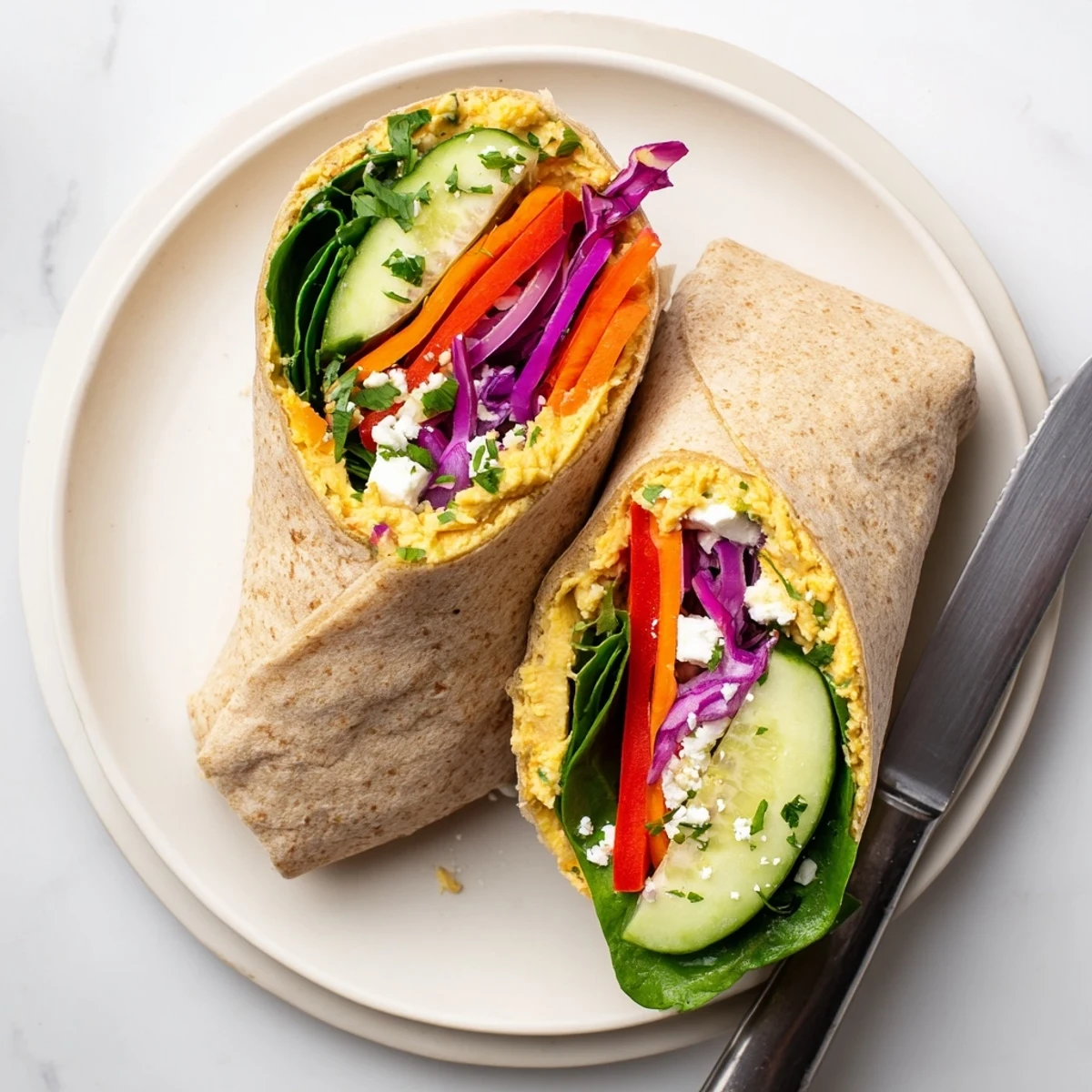
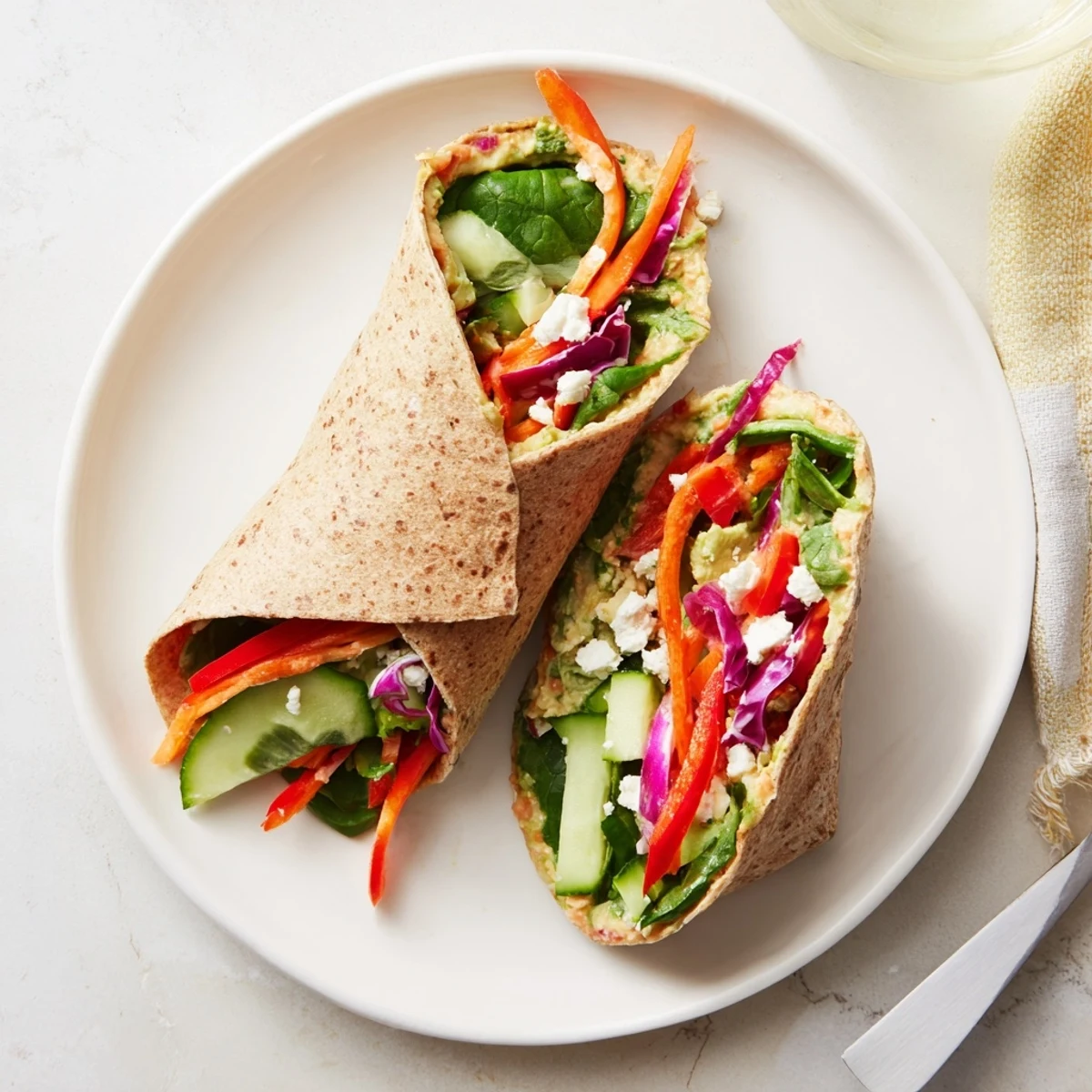
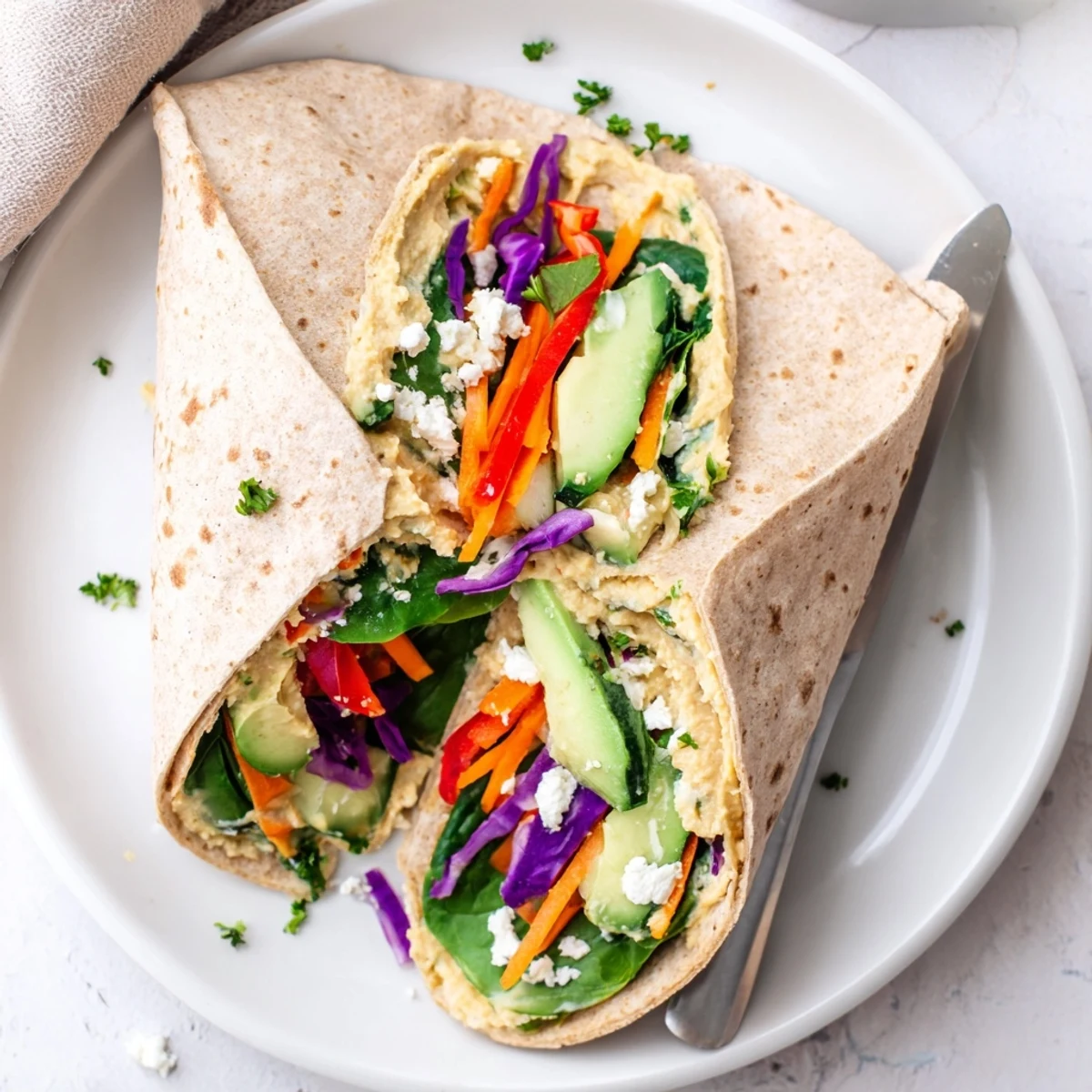
 These Mediterranean-inspired wraps combine velvety hummus with an abundance of fresh vegetables for a satisfying meal. Whole wheat or spinach tortillas serve as the foundation, generously slathered with creamy hummus and piled high with baby spinach, crunchy bell peppers, cooling cucumber strips, sweet julienned carrots, vibrant purple cabbage, and zesty red onion. Optional additions like creamy avocado and tangy feta elevate the flavors. Each roll delivers protein, fiber, and essential nutrients while remaining completely plant-based and dairy-free when prepared without cheese.
My car broke down outside a Mediterranean deli on a Tuesday, and that flat tire handed me the best lunch idea I have ever stumbled into. While waiting for the tow truck, I ordered their veggie wrap out of desperation and ended up asking the owner what made it so good. He pointed at the hummus layer and said the secret was generosity, not restraint. I drove home that night with a head full of ideas and a fridge full of vegetables.
I started packing these wraps for my friend group during a weekend hiking trip last spring. Three miles in, everyone was jealous of my lunch while they unwrapped sad convenience store sandwiches. Now it is a tradition before every trailhead.
Ingredients
- Whole wheat or spinach tortillas: The foundation of the wrap, and spinach tortillas add a subtle earthy flavor plus a fun pop of green that makes the whole thing look beautiful when sliced.
- Hummus: Acts as both the spread and the glue that holds everything together. Use a generous hand here because it also replaces any need for dressing or mayo.
- Baby spinach leaves: A tender green base that wilts slightly if you make these ahead, which actually works in your favor for easier rolling.
- Red bell pepper: Thinly sliced for sweetness and a satisfying snap. Red has the most flavor of all the bell pepper colors.
- Cucumber: Cut into thin strips rather than rounds so they lay flat and do not roll out when you wrap.
- Carrot: Julienned for bright orange color and a mild peppery crunch that balances the creaminess of the hummus.
- Purple cabbage: Adds a gorgeous violet hue and a sturdy crunch that holds up beautifully even after hours in a lunchbox.
- Red onion: Just a quarter, sliced paper thin, because a little goes a long way and you want a whisper of bite, not tears.
- Avocado (optional): Sliced and layered in for richness that makes the whole wrap feel indulgent without being heavy.
- Feta cheese (optional): Crumbled over the top for a salty tang. Skip it to keep things vegan and the wrap will not miss a beat.
- Fresh parsley: Chopped and sprinkled on last minute for a bright herbal finish that ties everything back to its Mediterranean roots.
- Salt and pepper: Just a pinch and a crack to wake up all the flavors. Taste your hummus first because some are already well seasoned.
- Lemon juice: A quick drizzle at the end adds acidity that makes every ingredient taste more like itself.
Instructions
- Lay the foundation:
- Place a tortilla flat on a clean cutting board or countertop. Smooth out any wrinkles so your wrap rolls evenly without tearing.
- Spread the hummus:
- Scoop a quarter cup of hummus onto the center of the tortilla and spread it outward in an even layer, leaving about a one inch border around the edges. That border is your sealing zone, so keep it clean.
- Build the veggie layers:
- Start with a handful of spinach pressed gently into the hummus, then arrange strips of bell pepper, cucumber, carrot, cabbage, and onion in even rows across the center. Think of it like laying bricks, each vegetable slightly overlapping the last.
- Add the extras:
- If you are using avocado and feta, tuck them into the gaps between vegetables. Finish with a sprinkle of parsley, a pinch of salt and pepper, and a light drizzle of lemon juice.
- Roll it tight:
- Fold the left and right sides inward about an inch, then lift the bottom edge up and over the filling. Tuck the filling back with your fingers as you roll forward firmly but gently until the wrap seals itself shut.
- Slice and serve:
- Use a sharp knife to cut each wrap diagonally through the center. The diagonal cut is not just pretty, it also makes the wrap easier to hold and shows off all those colorful layers inside.
 Pin It
 There is something quietly powerful about a meal that requires no oven, no stove, and no patience. This wrap became my weeknight safety net during a particularly chaotic month when cooking felt impossible but eating well still mattered.
Prep Like a Pro
Spend Sunday afternoon washing, slicing, and storing each vegetable in its own container. When Monday arrives, assembling a wrap takes less than three minutes, and you will feel smugly prepared while everyone else stares into the fridge hoping dinner will appear.
Making It a Meal
A wrap on its own is a solid lunch, but pairing it with a handful of warm pita chips or a small bowl of lentil soup turns it into something that genuinely satisfies. Fresh fruit on the side, especially grapes or watermelon in summer, brings out the sweetness in the vegetables.
Variations Worth Trying
Once you master the basic build, start playing with the formula based on what is seasonal or what needs using up. Some of my favorite versions happened because I was trying to empty the fridge before a trip.
- Swap hummus for tzatziki or baba ghanoush when you want a different flavor profile entirely.
- Toss in a handful of grilled chickpeas or crumbled falafel to turn this into a protein packed dinner.
- Use certified gluten free wraps if wheat is off the table, and the experience stays exactly the same.
 Pin It
 Keep this recipe in your back pocket for the days when cooking feels like too much but eating something real still matters. A fresh wrap, a clean cut, and a quiet moment might be exactly what the afternoon needs.
Recipe FAQ
- → Can I make these wraps ahead of time?
-
Yes, prepare them up to 24 hours in advance. Wrap tightly in parchment or foil and refrigerate. Add lemon juice just before serving to keep vegetables crisp.
- → What other vegetables work well in these wraps?
-
Try shredded lettuce, sliced tomatoes, grated beets, pickled vegetables, roasted eggplant, grilled zucchini, or fresh herbs like basil and mint for variety.
- → How do I prevent the tortilla from getting soggy?
-
Pat vegetables dry before assembling, create a thin hummus barrier, and avoid overfilling. If storing longer, place a lettuce leaf between tortilla and moist ingredients.
- → What protein options can I add?
-
Incorporate grilled chicken strips, baked tofu, hard-boiled eggs, roasted chickpeas, falafel balls, or white beans for extra protein while keeping flavors complementary.
- → Are these suitable for meal prep?
-
Absolutely. Wrap individually in parchment paper, place in airtight containers, and refrigerate up to 3 days. Keep dressings separate until ready to eat for optimal texture.
- → Can I use a different spread instead of hummus?
-
Tzatziki, baba ghanoush, pesto, tahini drizzle, or mashed avocado work beautifully as alternatives while maintaining the Mediterranean profile.