
 Pin It
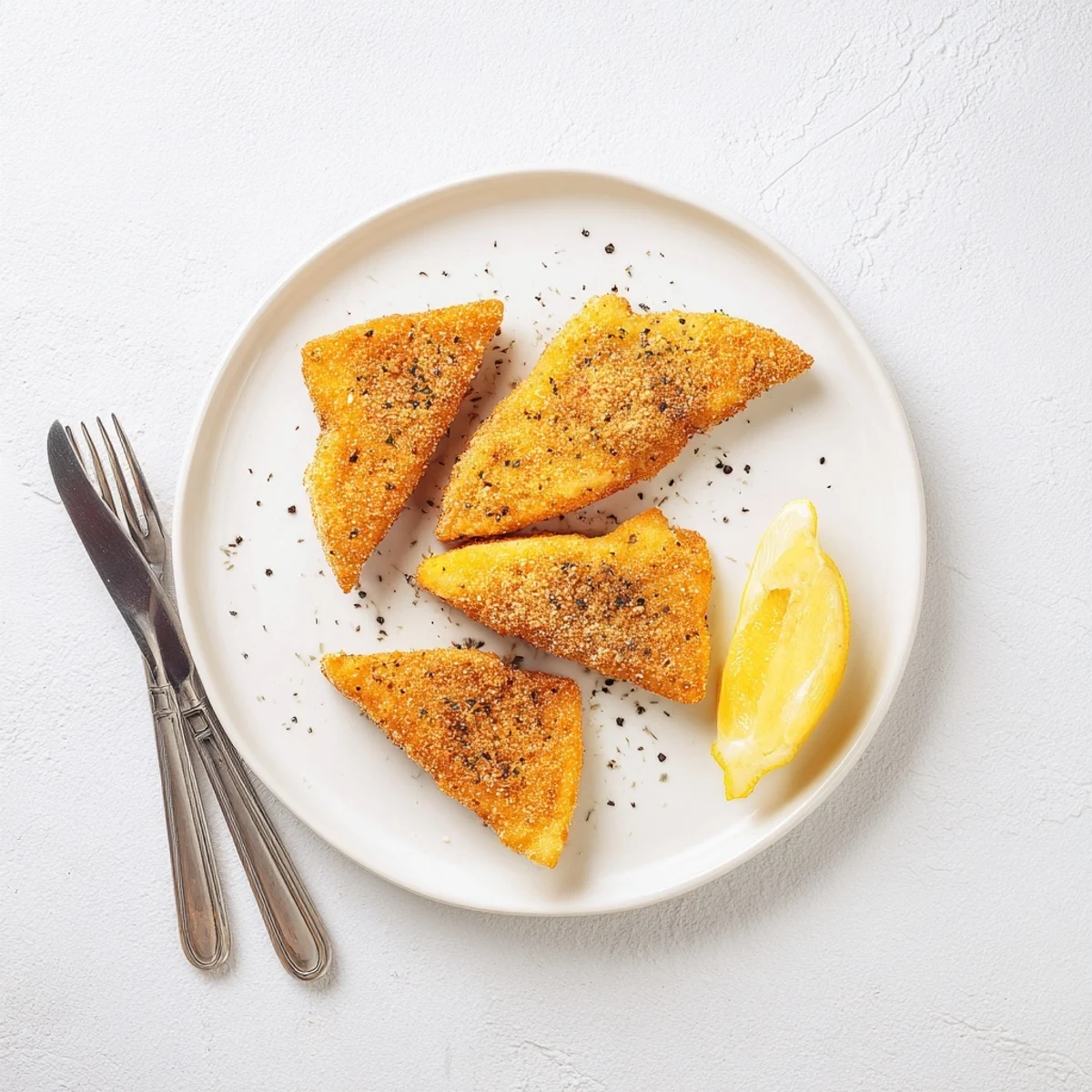
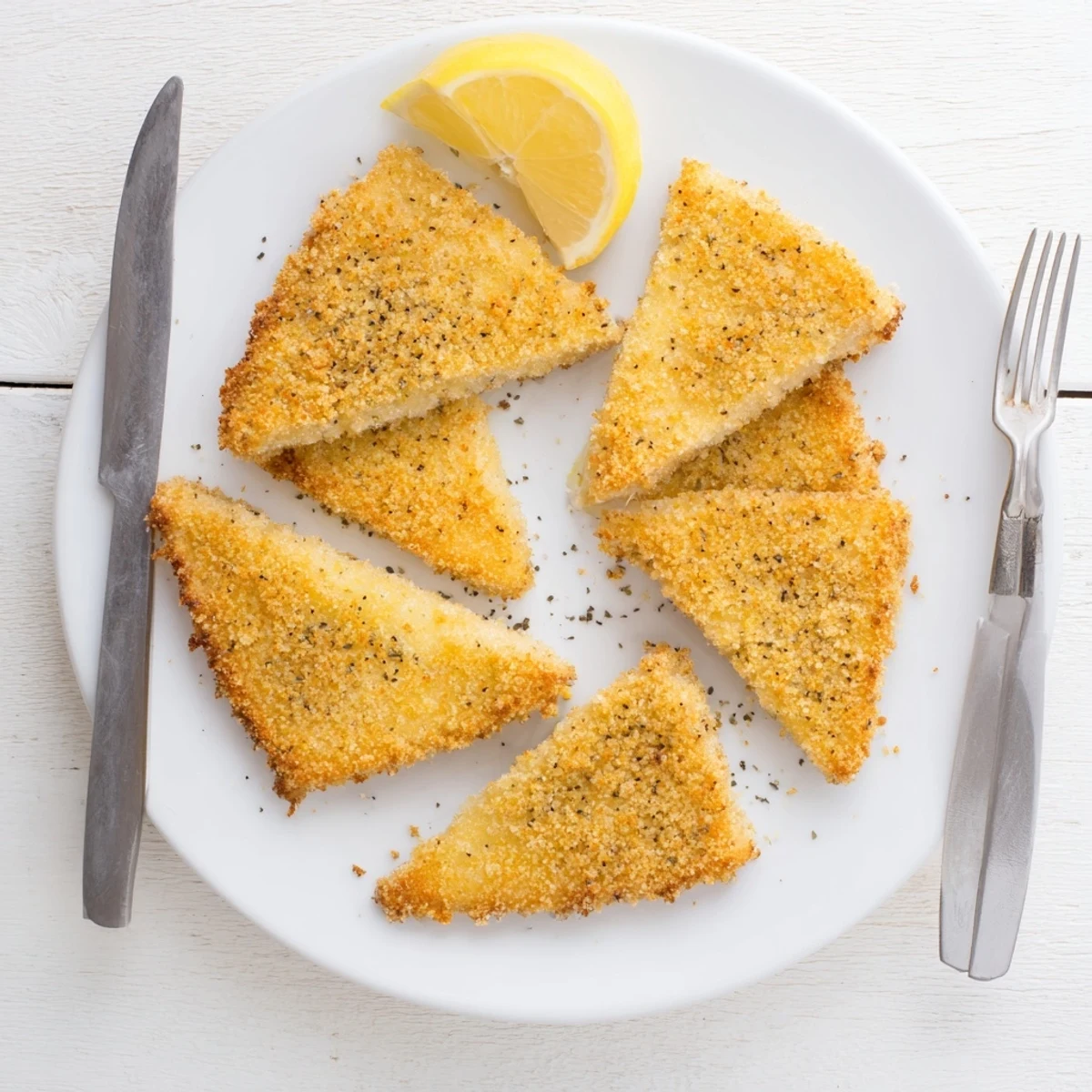
 Create authentic Greek Saganaki at home with just a few simple ingredients. This beloved appetizer features firm cheese coated in seasoned flour, then pan-fried until golden and crispy. The result is a perfect contrast—crunchy exterior giving way to warm, melty cheese inside. Traditional Kefalotyri or Graviera work beautifully, though Halloumi makes an excellent substitute. Ready in under 30 minutes, this dish pairs wonderfully with lemon wedges for squeezing over the hot cheese. Serve alongside chilled white wine or ouzo for a complete Mediterranean experience.
The first time I encountered Saganaki was at a small family-run taverna in Athens, where the waiter dramatically flamed the cheese at our table with a shout of 'Opa!' While this version skips the tableside theatrics, the result is equally magnificent—golden-crusted wedges that give way to an impossibly creamy center. I've spent years perfecting the balance between that irresistible crunch and the molten interior, and honestly, there's nothing quite like pulling a perfectly fried piece from the pan.
Last summer, I made this for a group of skeptical friends who claimed they didn't like fried cheese. Within minutes, the platter was empty and they were demanding the recipe. There's something universally comforting about warm cheese, and when it's achieved with just a handful of quality ingredients, it feels almost magical. Now it's my go-to when I need to impress without spending hours in the kitchen.
Ingredients
- Firm Greek cheese (Kefalotyri, Graviera, or Halloumi): This is the heart of the dish. Kefalotyri is traditional with its sharp salty bite, while Halloumi offers a milder flavor and slightly springier texture. I've learned to avoid pre-crumbled feta—it won't hold its shape during frying.
- Gluten-free flour (or regular flour): A light coating creates that essential crispy shell without overwhelming the cheese. Don't skip the pepper in the flour—it adds a subtle warmth that cuts through the richness.
- Extra virgin olive oil: Use the good stuff here. You'll taste it, and its fruity notes complement the salted cheese beautifully. Medium-high heat is key—too low and the cheese spreads before the crust forms.
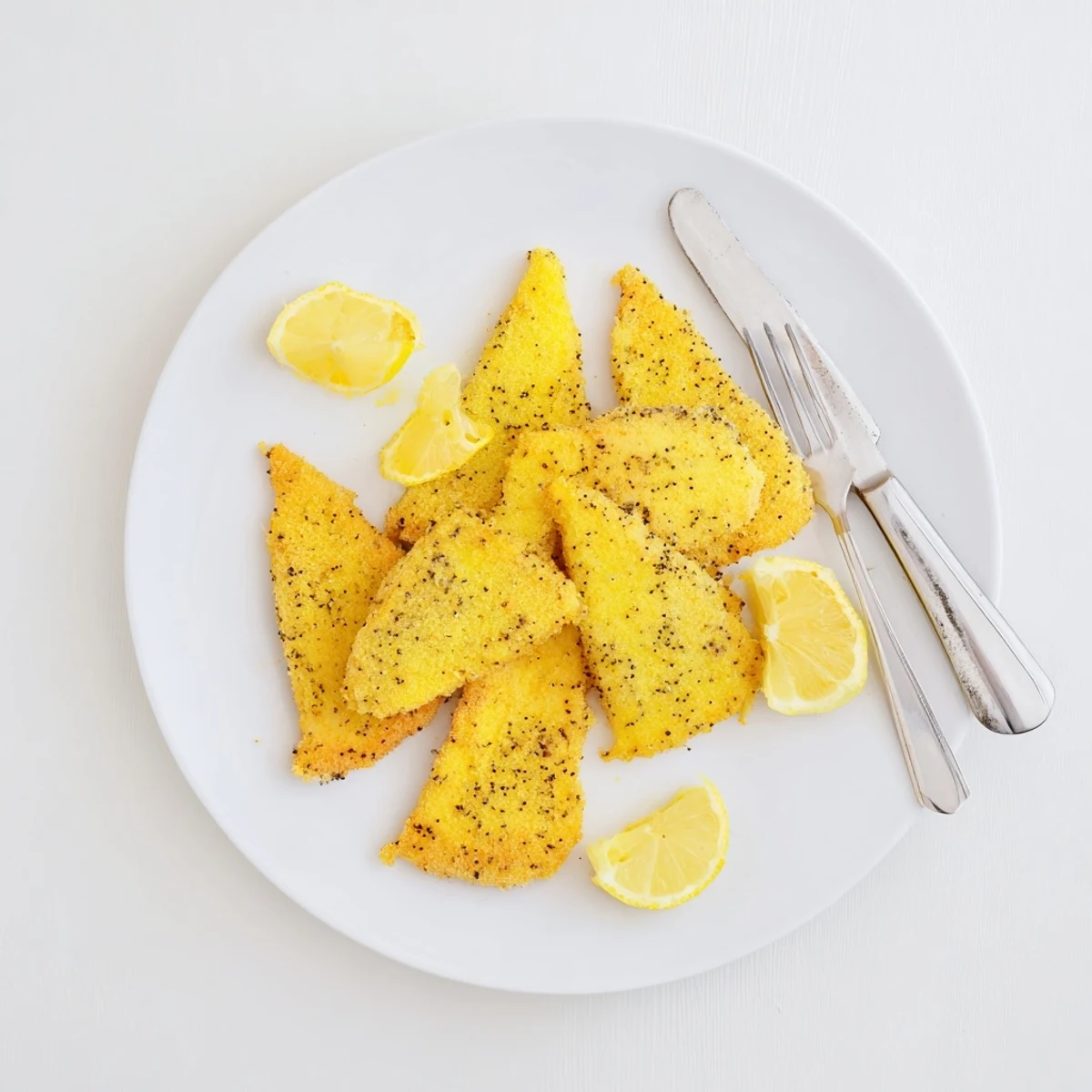
- Fresh lemon wedges: Absolutely non-negotiable. That bright acid is what transforms this from guilty pleasure to sophisticated appetizer. Squeeze generously right before eating.
Instructions
- Prep your cheese:
- Cut into generous ½-inch slices and pat thoroughly with paper towels. I learned this moisture-removing step the hard way after watching cheese ooze across my pan like a science experiment.
- Season and coat:
- Whisk black pepper into your flour on a shallow plate. Dredge each piece on both sides, shaking off excess—a light dusting is all you need for that perfect golden crust.
- Get the oil hot:
- Heat your olive oil until it shimmers. You want it hot enough that a pinch of flour sizzles immediately but not smoking. This temperature control is what makes or breaks the final texture.
- Fry to golden perfection:
- Carefully place cheese in the pan—don't crowd it. Let it develop a deep golden crust, about 1 to 2 minutes per side. You'll know it's ready when the cheese just begins to soften at the edges.
- Drain and serve immediately:
- Transfer briefly to paper towels, then move to your serving plate while still sizzling hot. Those first moments off the heat are when it's at its absolute best.
 Pin It
 This recipe has become my secret weapon for those moments when friends drop by unexpectedly. Something about sharing hot, crispy cheese creates instant conversation and puts everyone at ease. I've watched it transform awkward dinner parties into laughter-filled gatherings, and really, isn't that what good food should do?
Choosing Your Cheese
After testing countless varieties, I've found that each cheese brings its own personality to the dish. Kefalotyri delivers the most authentic experience with its pronounced tang and excellent melting properties. Graviera offers a slightly sweeter, nuttier profile that appeals to even cheese-haters. And Halloumi, while not traditional, provides a satisfying squeak and holds up beautifully if you need to make it ahead.
Mastering the Fried Texture
The secret to restaurant-quality results lies in patience with your oil temperature. I use the back of a wooden spoon to test—it should bubble steadily around the wood. Too cool, and you'll end up with greasy, soft-coated cheese. Too hot, and the flour burns before the cheese warms through. Finding that sweet spot takes practice, but the learning curve is delicious.
Serving Ideas and Variations
While this is perfect on its own, I love building mezze-style spreads around it. The dish pairs naturally with crisp white wine or anise-forward ouzo for that complete Greek taverna experience. In warmer months, I'll serve it alongside simple tomato salad and warm pita.
- Try a drizzle of thyme honey after frying for an unexpected sweet-salty combination
- Sprinkle dried oregano and flaky sea salt right out of the pan for extra depth
- Mix chopped fresh herbs into your flour coating for an aromatic twist on the classic
 Pin It
 There's something profoundly satisfying about food that's this simple yet this impressive. I hope this recipe finds its way into your regular rotation, bringing as much joy to your table as it has to mine.
Recipe FAQ
- → What cheese works best for frying?
-
Firm, high-quality cheeses like Kefalotyri, Graviera, or Halloumi are ideal because they hold their shape during cooking and develop a beautiful golden crust. These traditional Greek varieties provide the perfect balance of saltiness and texture.
- → How do I prevent the cheese from melting too much?
-
Patting the cheese dry before coating helps remove excess moisture. Using firm cheese and maintaining medium-high heat ensures a quick sear that creates a protective crust, keeping the interior perfectly melty without losing structure.
- → What's the purpose of serving with lemon?
-
Fresh lemon wedges provide a bright, acidic contrast that cuts through the rich, fried cheese. Squeezing lemon over the hot cheese just before eating is the traditional Greek way to enjoy Saganaki, balancing the flavors beautifully.
- → Can I make this ahead of time?
-
This dish is best enjoyed immediately after frying while the cheese is at its melty peak and the coating is maximally crispy. However, you can prep the cheese slices and coat them in flour ahead of time, storing them in the refrigerator until ready to fry.
- → What oil works best for frying?
-
Extra virgin olive oil is the traditional choice, adding authentic Mediterranean flavor. Its medium-high smoke point makes it suitable for pan-frying, while enhancing the overall taste profile. You can also use other neutral oils if preferred.