
 Pin It
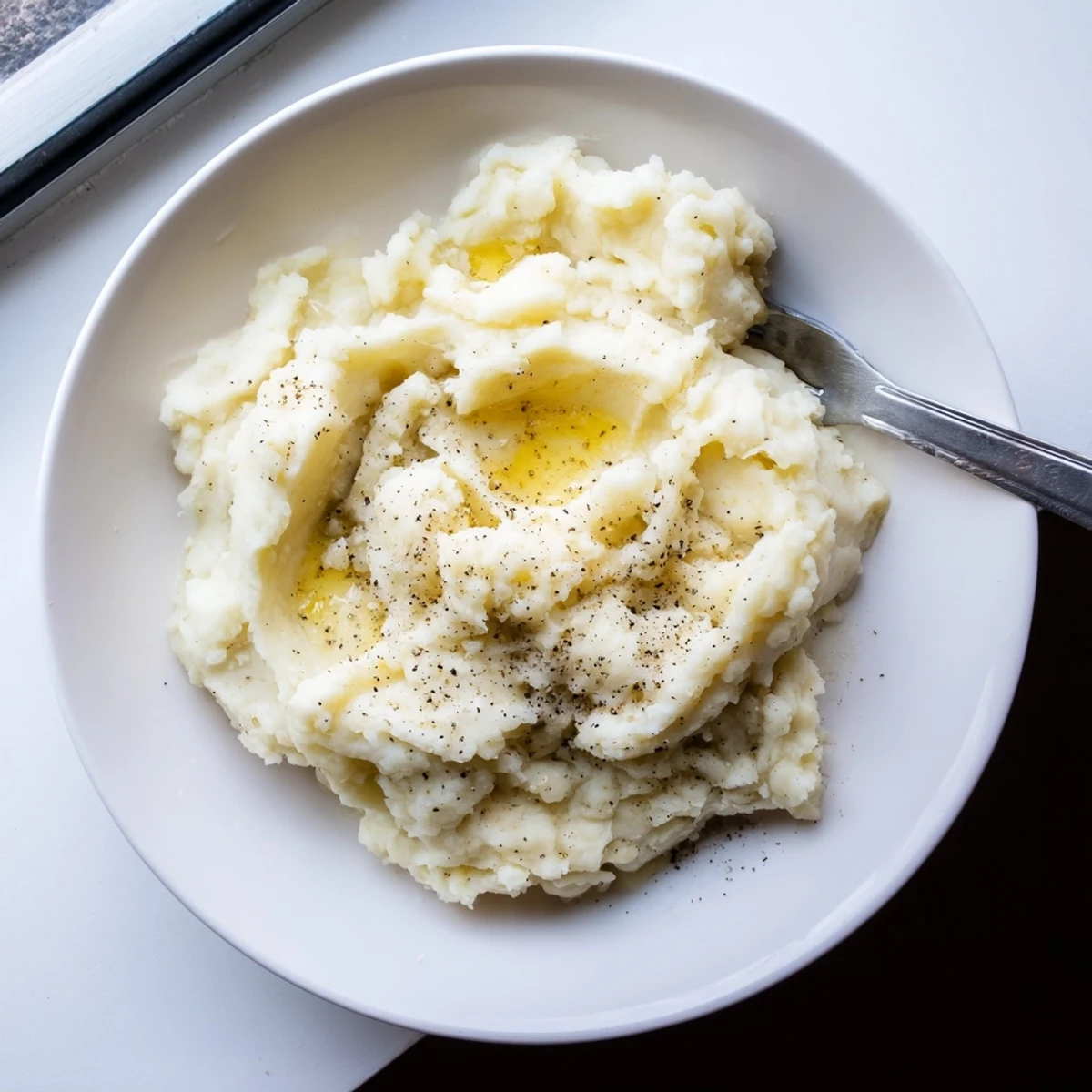
 Create the ultimate comfort side dish with these creamy mashed potatoes. Yukon Gold or Russet potatoes are boiled until tender, then mashed with generous amounts of unsalted butter and warm whole milk. The result is perfectly fluffy, smooth potatoes with rich buttery flavor.
This straightforward technique yields restaurant-quality results in just 30 minutes. The key is warming the milk before adding it to the potatoes, which helps maintain temperature and creates silkier texture. Adjust salt and pepper to your preference for personalized seasoning.
Customize your mashed potatoes by mixing in roasted garlic, sharp cheddar cheese, or fresh chives. Substitute heavy cream for half the milk to achieve extra richness. This versatile side complements roast chicken, beef stew, or grilled vegetables beautifully.
The steam rising from a pot of mashed potatoes still stops me in my tracks every single time. My grandmother used to say you could tell everything about a cook by their potatoes, and Ive spent years trying to prove her right. Theres something almost meditative about the rhythm of mashing, watching jagged chunks transform into clouds of comfort. Sunday dinners just arent the same without that bowl on the table.
Last Thanksgiving, my sister-in-law took one bite and actually stopped the conversation at the table. She swore she tasted roasted garlic, but it was just the butter singing through perfectly cooked Yukon Golds. Now she calls me every November to walk through the method again, as if there is some magic trick she is missing. There is not, but I love that she thinks there is.
Ingredients
- Yukon Gold or Russet potatoes: I prefer Yukon Golds for their natural butteriness and thinner skins, but Russets make lighter, fluffier potatoes if you do not mind peeling them
- Unsalted butter: Four tablespoons gives you that rich restaurant flavor without overwhelming the potatoes, and room temperature butter melts in more evenly
- Whole milk: Warming the milk first is the game changer that prevents your potatoes from turning gluey or cold too quickly
- Salt and black pepper: Generous seasoning in the cooking water seasons the potatoes from inside out, which makes all the difference
Instructions
- Boil the potatoes:
- Start your potatoes in cold, salted water to ensure even cooking throughout. Simmer gently rather than boil vigorously so they do not fall apart before they are tender.
- Drain and dry:
- Let the drained potatoes sit in the hot pot for a minute to steam off excess moisture. This small step creates fluffier potatoes that absorb butter and milk beautifully.
- Mash and season:
- Add the butter first, letting it melt completely before incorporating warm milk. Taste and adjust salt and pepper before serving, as every batch needs slightly different seasoning.
 Pin It
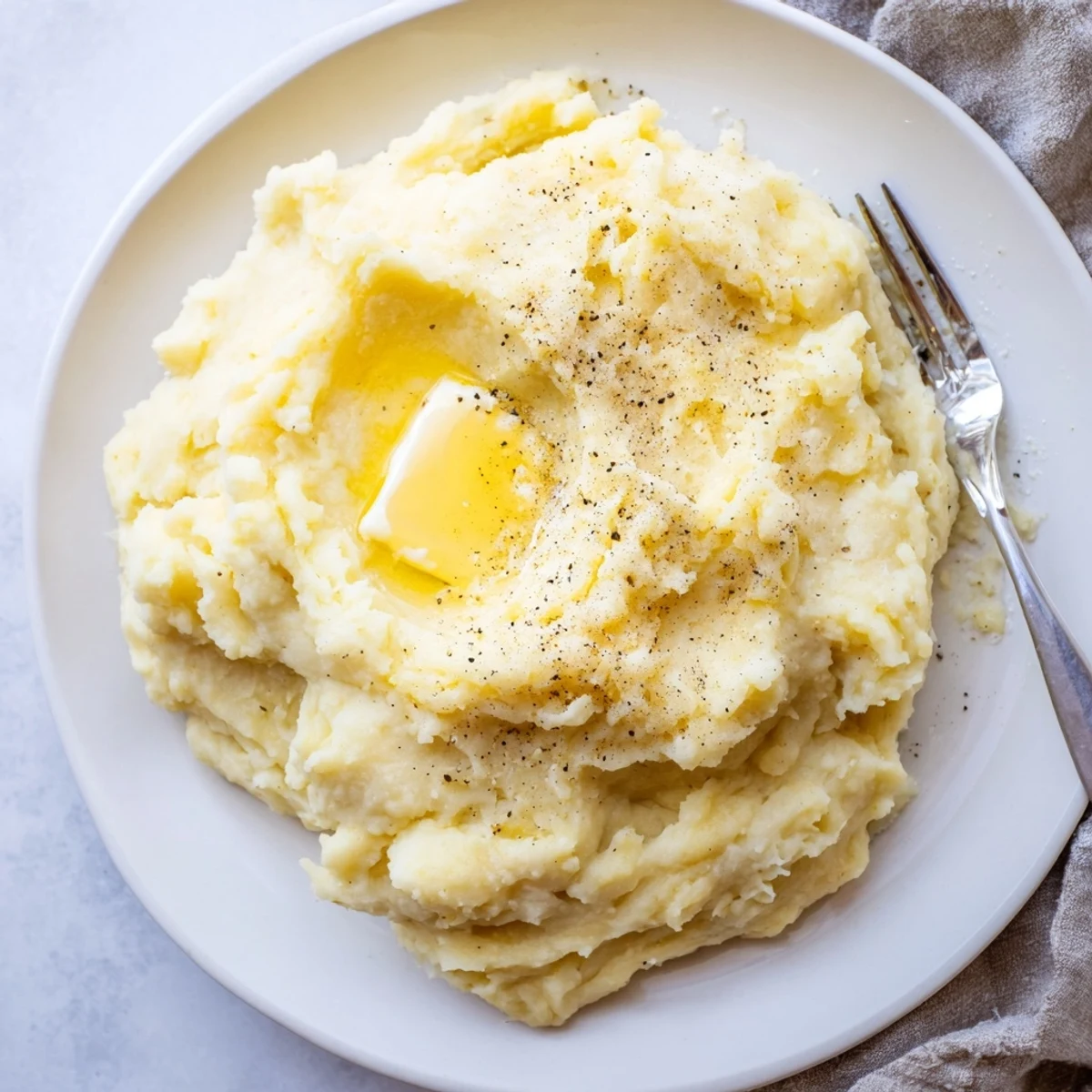
 My daughter used to call these cloud potatoes when she was little, and honestly, she was not wrong. There is something so satisfying about watching a spoon slide through them like they are barely there. Every time I make them now, I think of her standing on a chair, barely able to see over the counter, begging for just one taste.
Choosing Your Potato
Yukon Golds have a naturally creamy texture that needs less butter to taste rich. Russets have more starch and make lighter, airier mashed potatoes but can become pasty if overworked. Red potatoes are waxier and hold their shape better, perfect if you like smashed potatoes with some texture remaining.
Making Them Ahead
You can make these up to two hours before serving and keep them warm in a heatproof bowl over simmering water. Add an extra splash of milk before reheating gently, stirring often to prevent a skin from forming. They actually taste better when the flavors have time to meld together.
Flavor Variations
A head of roasted garlic mashed into the potatoes creates depth that keeps people guessing. Fresh herbs like chives, thyme, or parsley add brightness that cuts through all that richness. For something special, try adding grated Parmesan or a splash of truffle oil just before serving.
- Keep the mashed potatoes warm in a slow cooker on low for buffet-style serving
- Leftovers reheat beautifully with a splash of milk over gentle heat
- These can be shaped into patties and fried for incredible potato cakes the next day
 Pin It
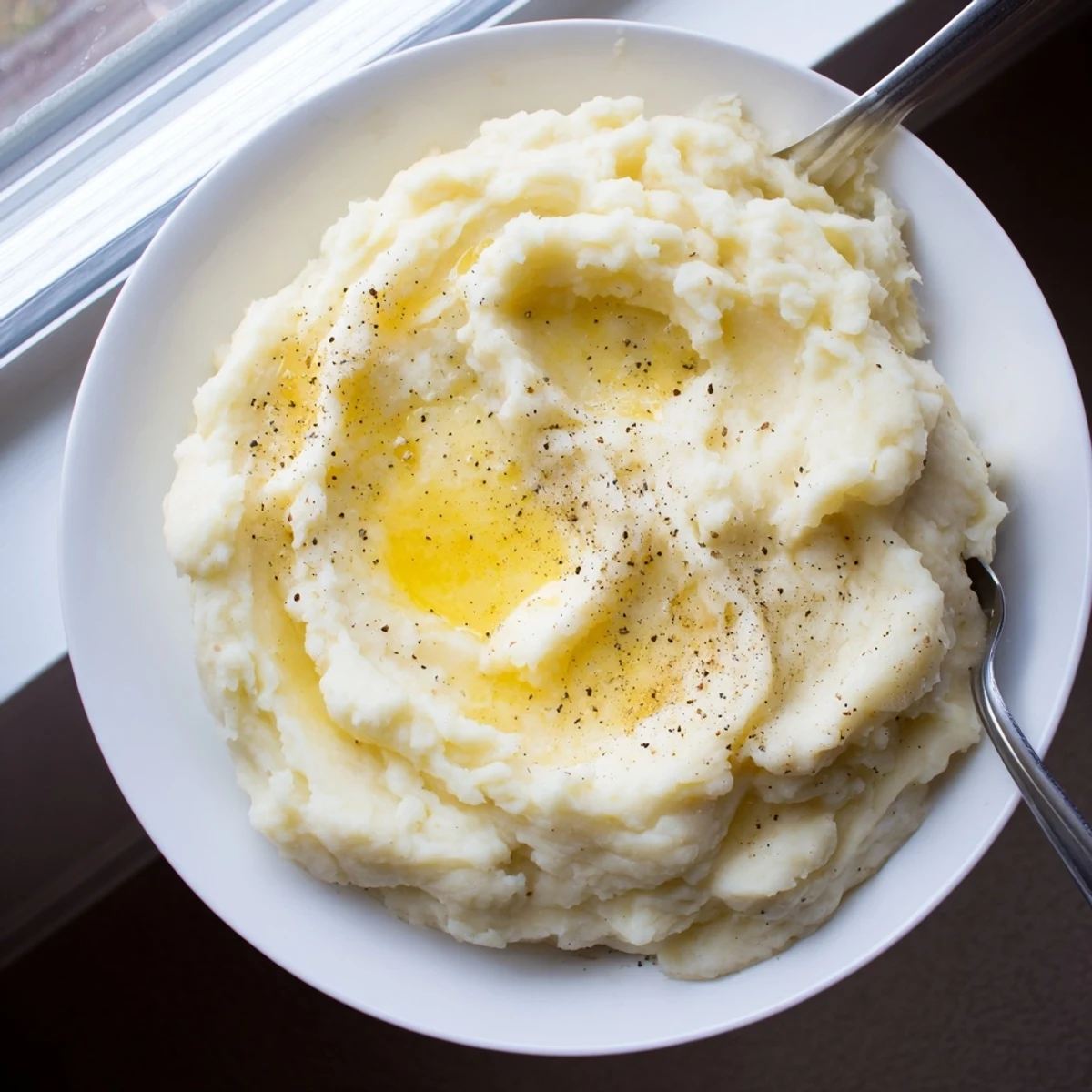
 Good mashed potatoes are not just a side dish, they are the reason people ask for seconds. Making them well is one of the most honest skills a cook can have.
Recipe FAQ
- → What type of potatoes work best for mashing?
-
Yukon Gold potatoes offer naturally creamy texture and buttery flavor, making them ideal for mashing. Russets also work well, producing fluffier results due to their high starch content. Avoid waxy varieties like red potatoes, as they can become gluey when mashed.
- → Why should I warm the milk before adding it?
-
Warm milk maintains the temperature of the potatoes, preventing them from becoming cold and stiff. Hot ingredients absorb more readily, creating smoother, creamier results. Cold milk can cause the butter to seize and creates a less cohesive texture.
- → How do I prevent lumpy mashed potatoes?
-
Ensure potatoes are cooked completely until fork-tender before draining. Thorough draining removes excess water that can create gummy texture. Use a potato masher or ricer rather than a food processor, which overworks the starches. Mash gradually while adding warm liquid for smooth incorporation.
- → Can I make these ahead of time?
-
Yes, prepare mashed potatoes up to 2 hours in advance. Keep them warm in a heat-proof bowl over a pot of simmering water, stirring occasionally. To reheat, add a splash of milk and warm gently over low heat, stirring constantly. Avoid microwaving, which creates uneven heating.
- → What variations can I add to these potatoes?
-
Elevate flavor by mixing in roasted garlic cloves, grated Parmesan or sharp cheddar cheese. Fresh herbs like chives, parsley, or thyme add brightness. Substitute sour cream or Greek yogurt for some milk to create tangy depth. For extra indulgence, replace half the milk with heavy cream.