
 Pin It
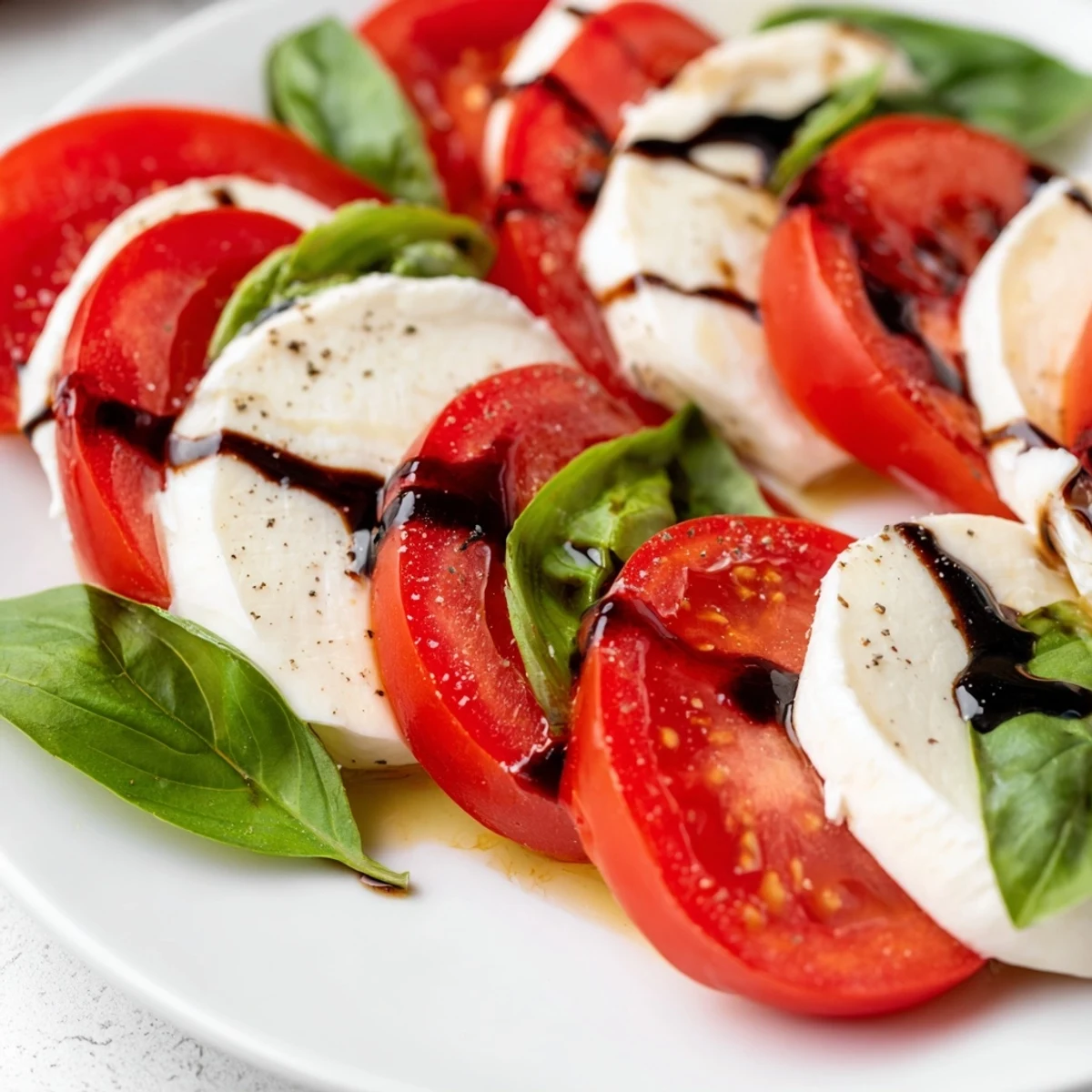
 Layer 0.5 cm slices of ripe tomatoes and fresh mozzarella on a platter, tucking whole basil leaves between slices. Drizzle extra-virgin olive oil and a light stream of balsamic glaze, then season with sea salt and freshly ground black pepper. Serve at room temperature for best flavor.
Ready in about 10 minutes for four servings. Swap burrata for extra creaminess or use heirloom tomatoes and a drizzle of pesto for variation.
August in my kitchen smells like warm tomatoes still holding the heat of the garden sun, and that is exactly when a Caprese salad demands to be made. No cooking, no fuss, just three ingredients that somehow taste like summer itself when treated with a little respect. I learned this the hard way after years of making it with out of season grocery store tomatoes and wondering why it never tasted like the ones I had in Rome.
My neighbor Lucia once watched me arrange the slices in a perfect spiral and laughed, telling me Italians just pile everything on a plate and pour olive oil over it. She was right, and honestly that haphazard version tasted better than my careful one. Now I make it both ways depending on my mood.
Ingredients
- 3 large ripe tomatoes: This is not the time for firm, pale tomatoes. Look for ones that yield slightly when pressed and smell like a garden at their stem end.
- 1 handful fresh basil leaves: Pick them right before you use them if possible, because basil bruises and blackens quickly once picked.
- 250 g (9 oz) fresh mozzarella cheese: The kind stored in water, not the dry block variety. Burrata works beautifully if you want an even creamier bite.
- 2 tbsp extra virgin olive oil: Use the good stuff here since it is one of only a few flavors and a grassy, peppery oil makes a real difference.
- 1 tbsp balsamic glaze (optional): A thick glaze adds a tangy sweetness that balances the richness of the cheese, but purists often skip it entirely.
- Sea salt and freshly ground black pepper: Flaky salt on top right before serving gives each bite a satisfying little crunch.
Instructions
- Slice the stars:
- Cut the tomatoes and mozzarella into quarter inch thick rounds with your sharpest knife. Wipe the blade between the cheese and tomatoes so you do not transfer flavors.
- Build the pattern:
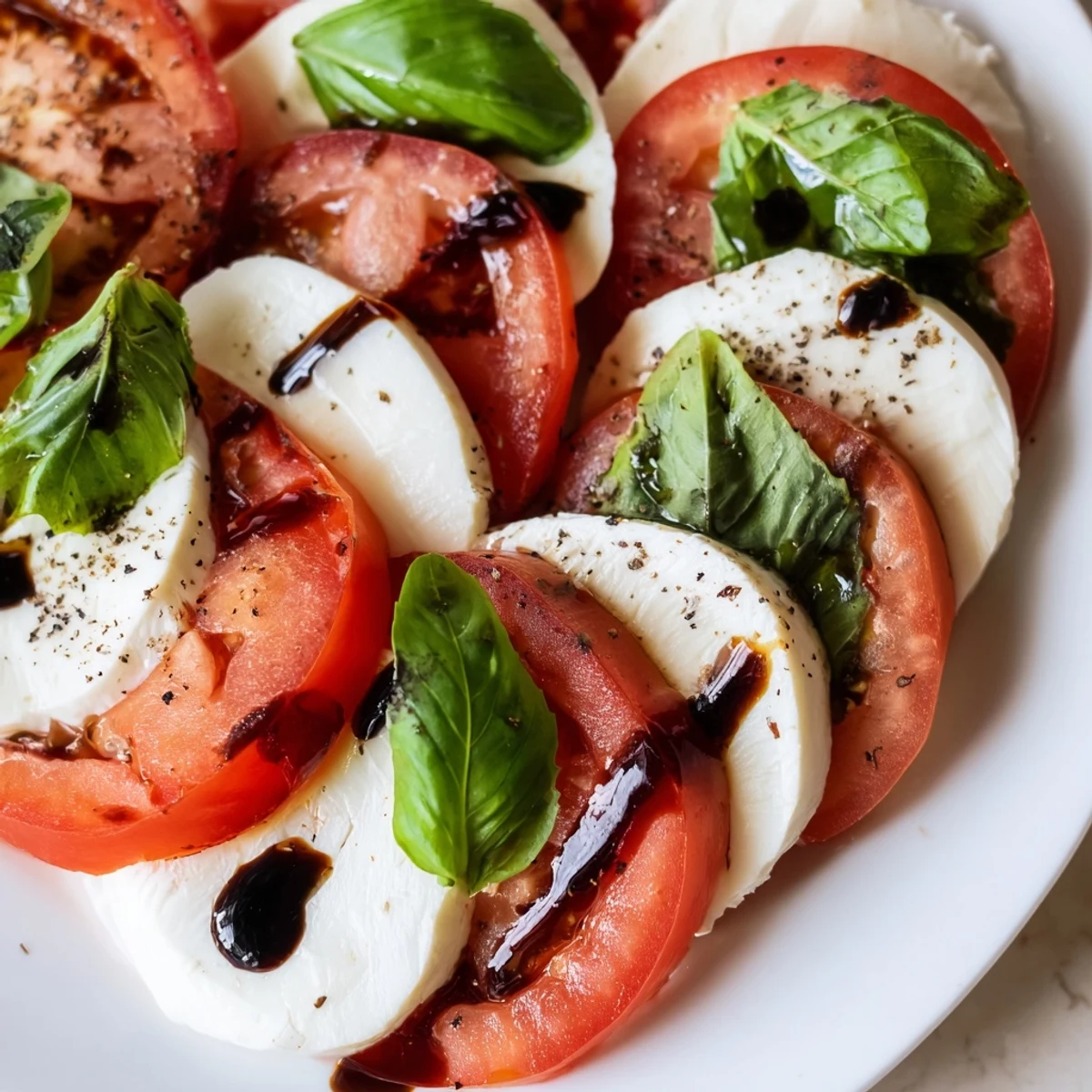
- On a wide platter, lay down alternating slices of tomato and mozzarella, letting them overlap slightly like roof shingles. The slight overlap helps the flavors mingle.
- Tuck in the basil:
- Slide whole basil leaves between the slices here and there, letting some poke out prettily. Tear larger leaves in half so they do not overpower a single bite.
- The finishing touches:
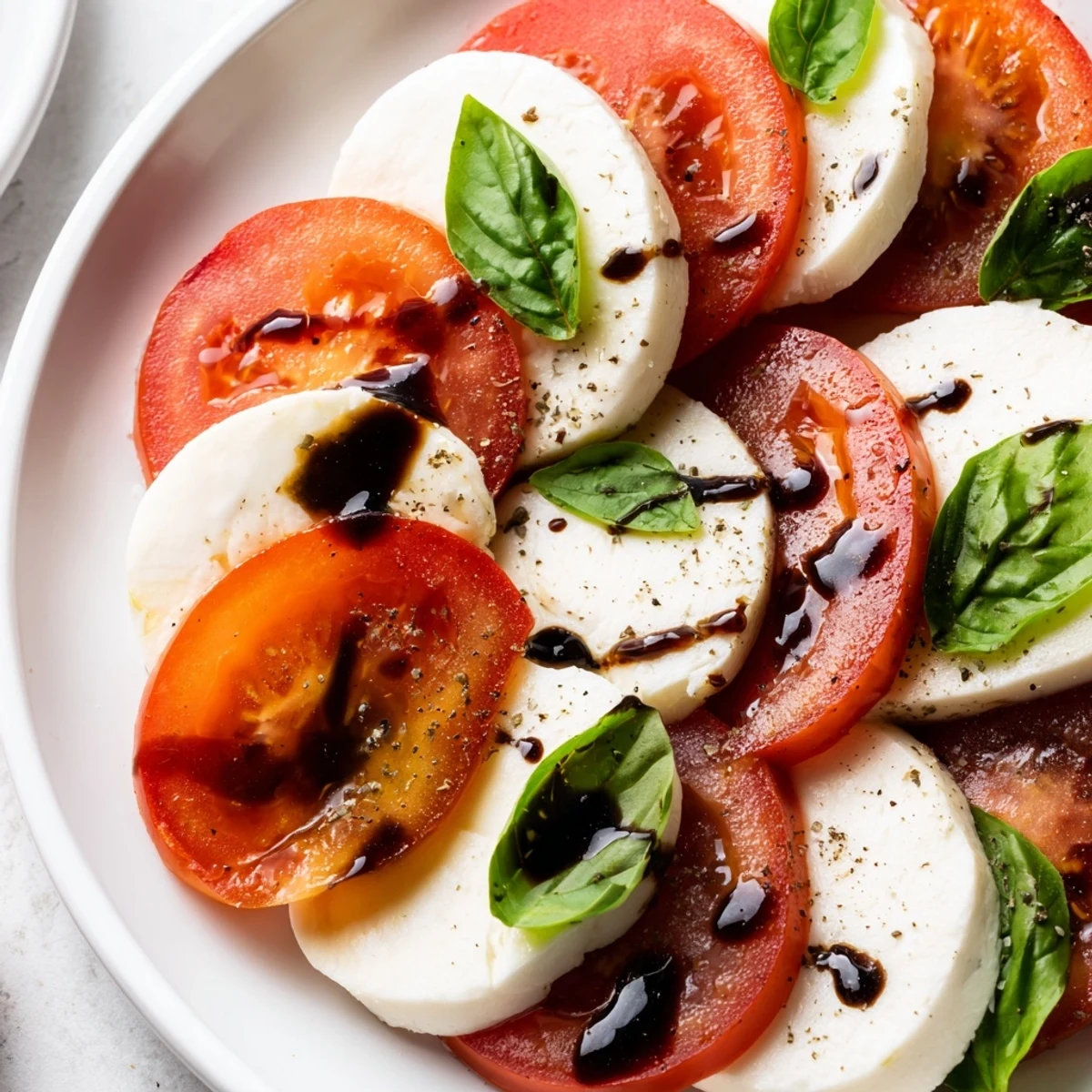
- Drizzle the olive oil back and forth across the platter in generous zigzags, then add the balsamic glaze if you are using it. Finish with a confident sprinkle of sea salt and several grinds of black pepper.
- Serve right away:
- Carry the platter to the table immediately while everything is still cool but not refrigerator cold, because cold mutes the flavor of both tomatoes and cheese.
 Pin It
 One July evening I set a platter of this on the patio table while friends opened a second bottle of wine, and nobody touched the main course until every last slice was gone. That is the quiet power of a dish that trusts its ingredients completely.
Choosing the Right Tomatoes
Heirloom varieties in mixed colors turn this from simple to stunning, and each color brings a slightly different sweetness. I grow Brandywine and Green Zebra in my small garden bed specifically for this salad. If farmers market heirlooms are not available, vine ripened Roma tomatoes are a reliable second choice.
What to Serve Alongside
A chilled glass of Pinot Grigio or sparkling water with a lemon wedge squeezed in is all you need beside this plate. It also sits happily next to grilled chicken, roasted fish, or a bowl of pasta with nothing more than butter and parmesan. Keep the rest of the meal simple because this salad does not like competition.
Small Things Worth Remembering
The details are what separate a fine Caprese from one people talk about the next day. Trust your eyes and nose at the store, treat the assembly casually, and serve with confidence.
- Pat the mozzarella dry with a paper towel before slicing so excess water does not dilute the olive oil.
- If you cannot find fresh mozzarella in water, buffala mozzarella from an Italian deli is worth the extra trip.
- Always taste a small piece of tomato first to judge how much salt the salad will need.
 Pin It
 Some dishes do not need your help, they just need you to get out of the way and let the ingredients speak. Make this once with truly great tomatoes and you will understand why it has survived centuries unchanged.
Recipe FAQ
- → Which tomatoes work best?
-
Choose firm, ripe tomatoes with good acidity—heirloom or vine-ripened varieties offer the best color and flavor. Avoid overly soft or mealy fruit.
- → What can I use instead of fresh mozzarella?
-
Burrata adds a luxurious, creamy center; bocconcini is good for bite-sized portions. Avoid pre-shredded cheese to preserve texture and creaminess.
- → How thick should I slice the tomatoes and cheese?
-
Slice both to about 0.5 cm (1/4 inch) so layers hold their shape and each bite balances tomato and cheese.
- → How should leftovers be stored?
-
Store components separately when possible. If assembled, cover and refrigerate for up to 24 hours; add fresh oil, salt and basil just before serving to refresh flavors.
- → Any tips for dressing and seasoning?
-
Use a high-quality extra-virgin olive oil and a modest drizzle of balsamic glaze. Finish with flaky sea salt and freshly ground black pepper; a touch of pesto adds herbaceous depth.
- → What pairs well with this dish?
-
Serve with crusty bread or grilled proteins and a crisp white wine such as Pinot Grigio, or sparkling water with lemon for a lighter pairing.