
 Pin It
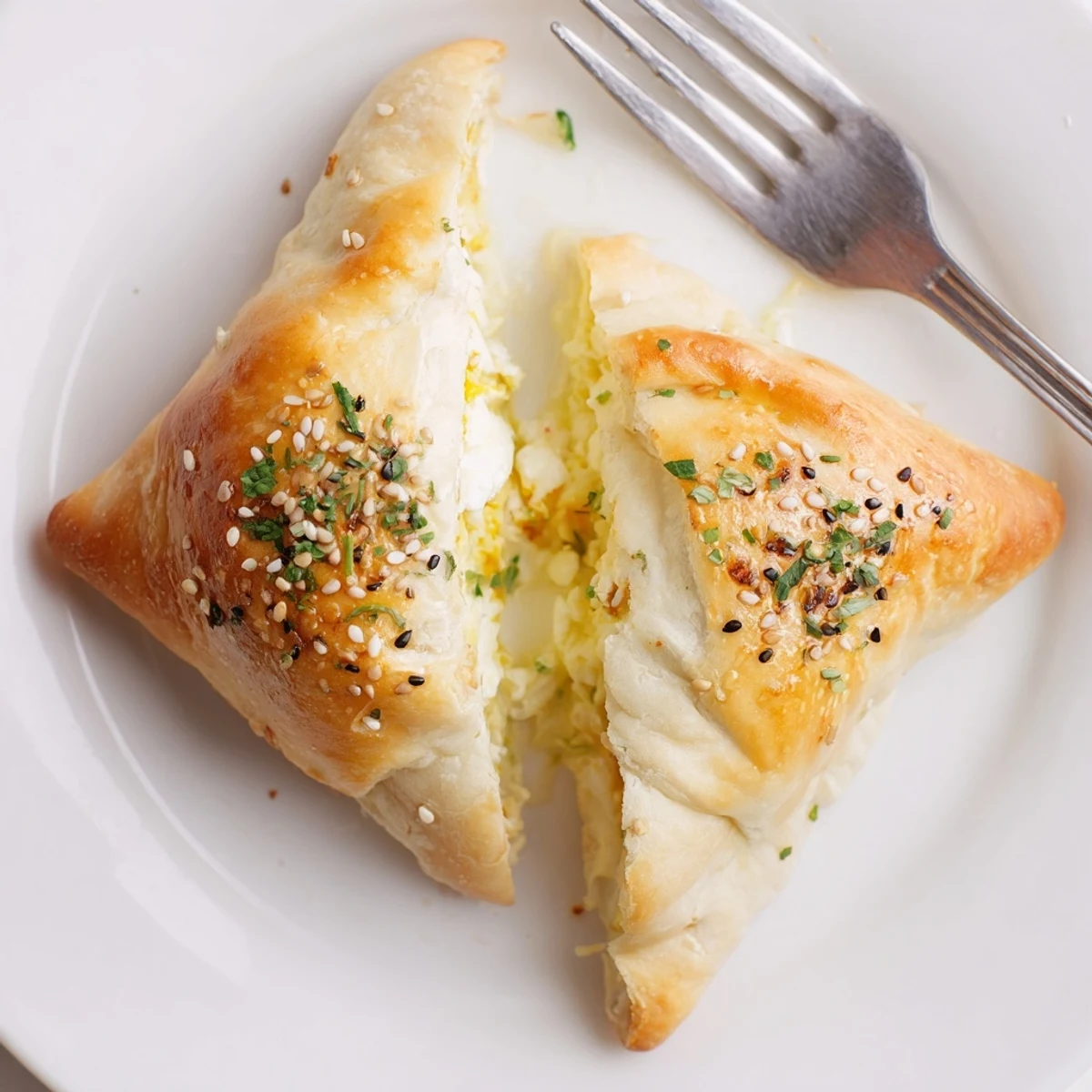
 These cheese fatayer are small Middle Eastern pastries made with a soft, elastic dough rolled and filled with crumbled feta, shredded mozzarella and chopped parsley. A touch of egg white helps bind the filling. Seal into triangles or ovals, brush with yolk and bake at 190°C until golden. Serve warm with mint, tomatoes or olives; freeze unfired for later baking.
The first time I encountered cheese fatayer, it wasn’t in a bustling restaurant, but in my own kitchen during a spontaneous baking spree on a rainy afternoon. I remember flour dust floating in the sunlight as I kneaded the dough, impatient to taste something warm and cheesy. There’s an irresistible comfort in the way these golden pastry triangles puff up in the oven, filling the air with inviting aromas. The simplicity of their shape delighted me almost as much as the gooey filling that waited inside each one.
One weekend, a couple of friends dropped by unannounced, and I served these cheese fatayer straight from the oven, their laughter echoing around the kitchen as we tried to guess who could pinch the neatest triangle. Hot from the pan and golden, we cleaned the plate while chatting over strong tea, and even someone sworn off kitchen adventures asked for the recipe.
Ingredients
- All-purpose flour: Get this sifted for extra-light pastry, and don’t skimp—using less will make your dough hard to handle.
- Instant dry yeast: I learned about patience here: make sure it’s fresh and give the dough real time to rise, or you’ll have flat pockets.
- Sugar: Just a hint brings balance and wakes up the yeast, no more and no less.
- Salt: Don’t skip this, or the flavors will fall flat; blend well with the flour for even seasoning.
- Olive oil: It lends tenderness to the dough and a faint, earthy aroma I look forward to.
- Warm milk: Add it gradually—a too-wet or too-dry dough will change everything; I start with half a cup and sprinkle in the rest as I mix.
- Feta cheese: Crumble it well for even bites; I often rinse mine quickly if it’s too salty.
- Mozzarella cheese: The melty factor—shred it fresh for the ultimate gooey middle.
- Fresh parsley: Chop it fine so flecks evenly flavor every bite; it brightens the whole pocket.
- Nigella or black sesame seeds (optional): These bring a nutty crunch—totally addictive when sprinkled inside and out.
- Egg white: Holds the filling together; don’t waste the yolk, you’ll need it to brush later for that perfect sheen.
- Freshly ground black pepper: A couple twists are all it takes; the aroma is worth it.
- Egg yolk and milk (for brushing): This duo is your secret weapon for that bakery-style glossy crust.
Instructions
- Make the dough:
- In a large bowl, blend flour, yeast, sugar, and salt, swirling them together with your hand. Add olive oil, then gently knead in warm milk bit by bit until a pillowy dough forms; cover and let it rise somewhere cozy until doubled, about an hour.
- Mix the filling:
- Tumble feta, mozzarella, parsley, seeds if using, egg white, and pepper into a smaller bowl; mash together until creamy and mosaic-like.
- Shape the fatayer:
- Punch down the dough with gusto and split into 12 pieces, rolling each into a smooth ball. Flatten them into hand-sized circles, each about 4-5 inches, soft and ready for filling.
- Fill and fold:
- Spoon a generous heap of cheese filling into each center, then fold the dough over to form triangles or ovals, firmly pinching edges to seal—don’t worry if a little cheese peeks out.
- Prepare for baking:
- Line a baking sheet with parchment, nestle the fatayer on top, and mix egg yolk with milk to brush over the pastries until glossy.
- Bake to golden:
- Slide into a 375°F oven; as they bake for 18–22 minutes, they’ll turn golden and fragrant. Let them cool just enough before swooping in for the first cheesy bite.
 Pin It
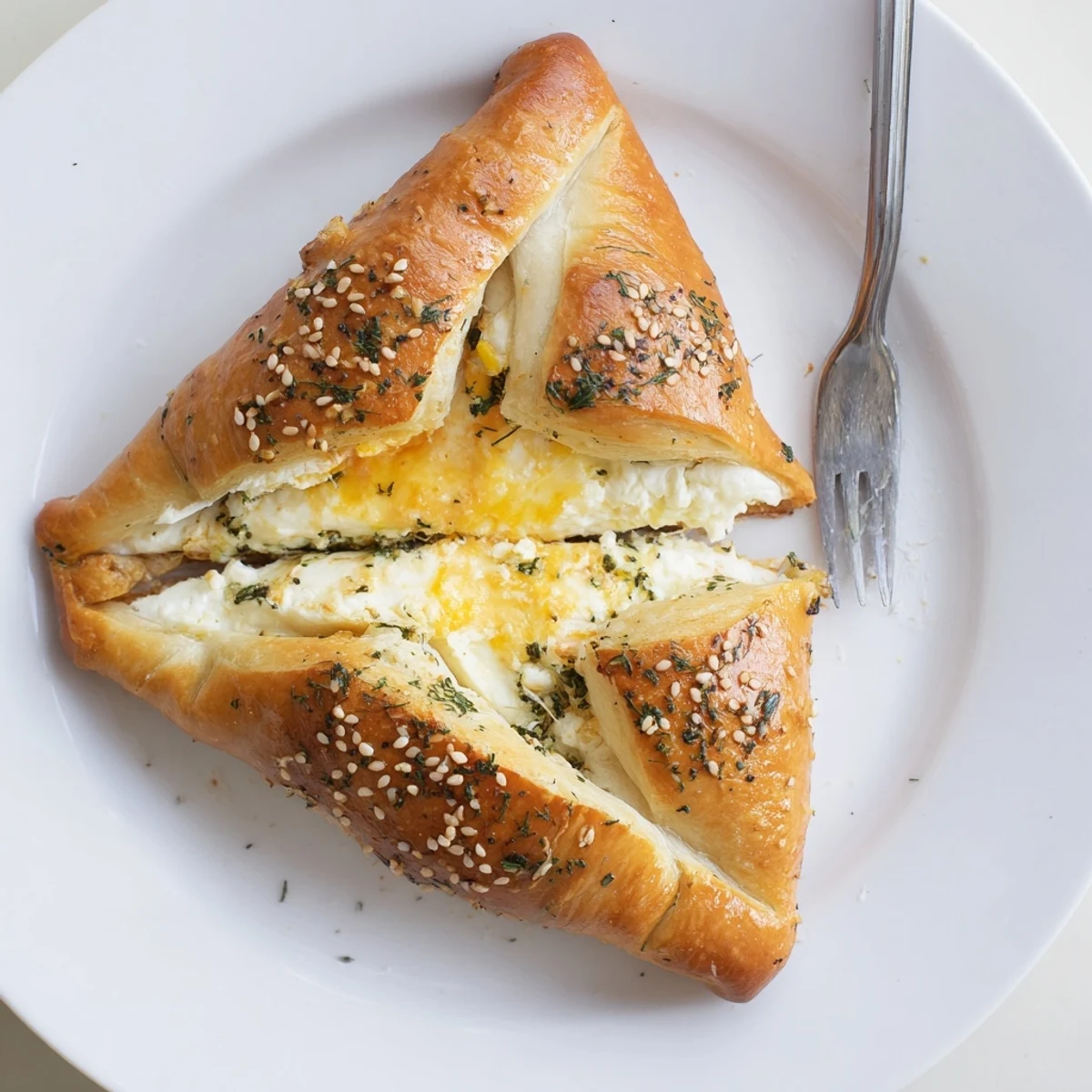
 The moment I pulled a tray of these golden pockets out on a chilly evening for a neighbor, her eyes lit up, and suddenly these humble pastries felt like tiny gifts—unexpected and warming.
Shaping Kitchen Habits
I used to fuss over making perfectly even triangles, but now I let them be a little rustic—each shape is a tiny fingerprint of whoever made them. The real fun is letting kids or friends help pinch the seams; often, someone sneaks a taste of the filling before it goes in.
Ideas for Filling
Once I started tinkering, I realized almost any cheese works: a bit of ricotta makes them creamier, or some haloumi diced in for chewy bites. Chopped spinach or finely diced scallion add pops of color and gentle greens, while a sprinkle of chili can add kick for grown-up versions.
Serving and Storing Made Simple
Fatayer are best eaten the day they’re baked, with the crust still crackling and warm inside. They reheat beautifully in a low oven or toaster, and leftovers are a real treat—if you have any.
- Let them cool fully before storing in an airtight box.
- For crispiness, pop leftovers in the oven at 325°F for 5-7 minutes.
- Serve alongside fresh mint and tomatoes for a mezze feel.
 Pin It
 However you shape them, cheese fatayer fill the kitchen with generosity. Sharing a warm batch has become my quiet way to say welcome or thanks, and there’s always someone lingering for just one more.
Recipe FAQ
- → How do I prevent the dough from sticking?
-
Dust the work surface and rolling pin lightly with flour and keep the dough slightly tacky rather than wet. Let the dough rest after kneading and again briefly after portioning to relax the gluten, which makes rolling easier.
- → What cheeses work well as substitutes?
-
Try halloumi for a salty bite, drained ricotta for a creamier texture, or a mix of sheep and cow cheeses. Balance stronger brined cheeses with milder milks to avoid an overly salty filling.
- → Can I freeze fatayer before baking?
-
Yes. Freeze shaped but unbaked fatayer on a tray until firm, then transfer to a sealed bag. Bake from frozen, adding a few extra minutes; brush with egg wash just before baking if you want a glossy top.
- → How should I seal the edges to avoid leaks?
-
Pinch seams firmly and press edges together; you can crimp with a fork or twist the dough slightly. A small dab of egg white in the seam helps glue the dough and prevent filling leaks during baking.
- → What's the best way to reheat leftovers?
-
Warm fatayer in a 175–190°C oven for 8–10 minutes to restore crispness. Avoid microwaving, which softens the crust and makes the dough soggy.
- → How can I reduce saltiness from brined cheeses?
-
Rinse brined cheeses briefly and pat dry before combining. Mix them with milder cheeses like mozzarella or ricotta to mellow the overall salt level, and taste before seasoning further.