
 Pin It
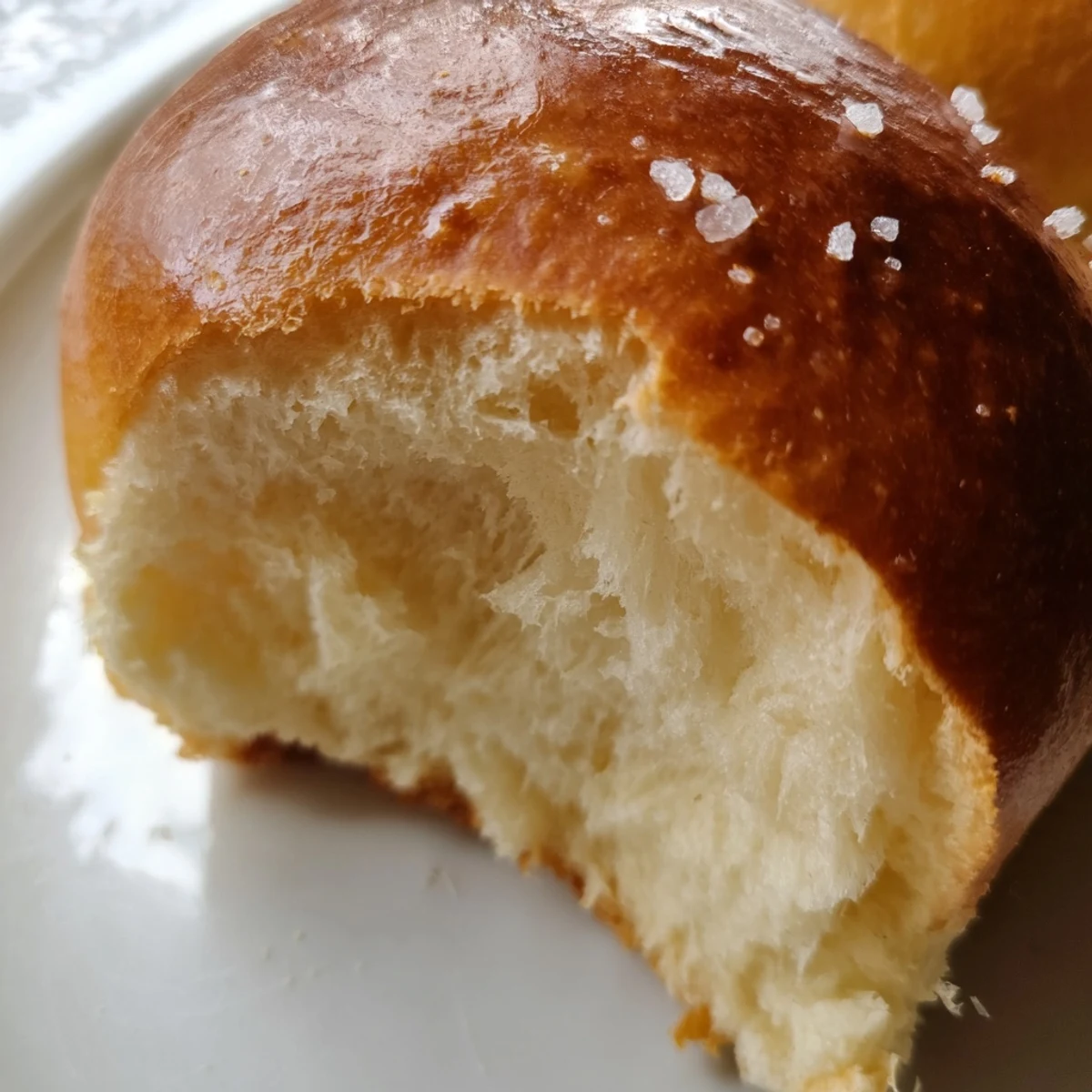
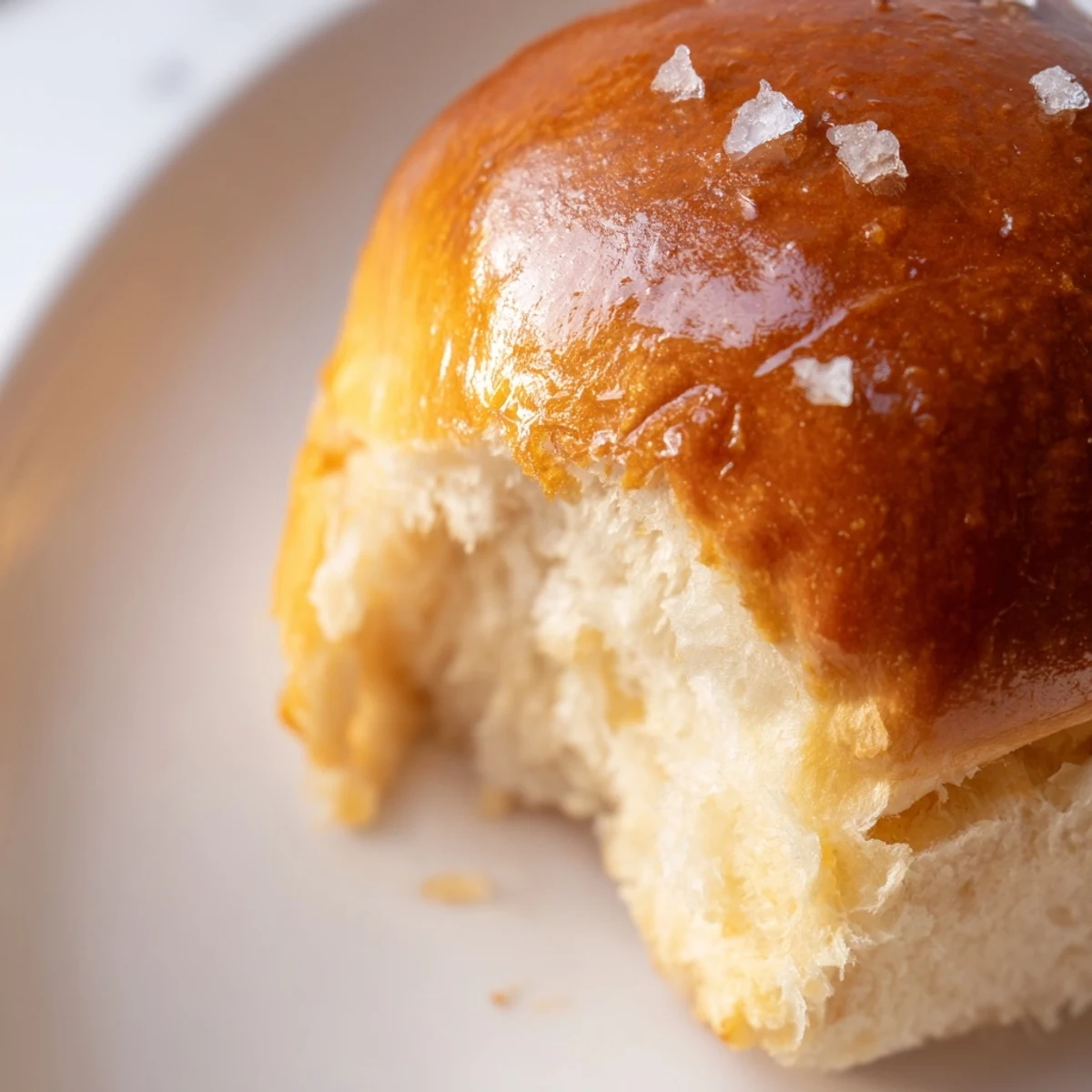
 These golden brioche rolls deliver exceptional texture with a tender crumb and buttery richness. The dough develops through a traditional French method, incorporating eggs and butter gradually for that signature light-as-air quality. Perfect alongside morning coffee, dipped in soups, or split for sandwiches, these versatile baked goods shine at any table. The two-rise process ensures maximum fluffiness, while the egg wash creates a beautifully glossy finish.
My tiny apartment kitchen smelled like a French bakery at 7am, which felt completely ridiculous and absolutely wonderful. I'd started the dough the night before, half-convinced it would be a disaster, but woke up to these pillowy mounds of dough that had actually doubled in size. There's something magical about brioche—how so few ingredients can transform into something so indulgent and buttery.
I brought a basket of these to a friend's brunch last month, and watched her husband eat three straight from the oven, mumbling something about how he never understood the brioche hype until now. They're the kind of carb that makes people forget table manners entirely.
Ingredients
- 3 1/2 cups all-purpose flour: Bread flour works too, but AP gives a beautifully tender crumb that's still substantial enough to hold together
- 1/4 cup granulated sugar: Just enough to feed the yeast and add subtle sweetness without making these dessert-like
- 2 1/4 tsp instant dry yeast: I keep mine in the freezer, and it stays fresh for months
- 1 tsp fine sea salt: Use table salt in a pinch, but reduce to 3/4 teaspoon
- 4 large eggs at room temperature: Cold eggs can shock the dough, so just set them out while you gather other ingredients
- 1/2 cup whole milk lukewarm: Think bathwater temperature—about 100°F if you're being precise
- 10 tbsp unsalted butter softened and cubed: This is where the magic happens, so don't even think about reducing it
- 1 large egg for egg wash: Whisk with a tablespoon of milk for that gorgeous golden finish
Instructions
- Mix your dry ingredients:
- Combine flour, sugar, yeast, and salt in your stand mixer bowl, giving it a quick whisk so everything's evenly distributed before the wet ingredients join the party
- Form the base dough:
- Add those room temperature eggs and warm milk, mixing on low until it comes together in a rough, shaggy mass that looks like it's never going to work—but it will
- Add the butter gradually:
- With the mixer on medium, toss in one butter cube at a time, waiting until each one disappears before adding the next
- Knead until smooth:
- Let the mixer work for 8 to 10 minutes until the dough pulls away from the sides and looks like satin, passing the windowpane test if you're feeling fancy
- First rise:
- Shape the rolls:
- Punch down gently, divide into 12 equal pieces, and tuck the edges under to form tight smooth balls that feel like little stress balls in your hands
- Second rise:
- Arrange in your prepared pan, cover loosely, and let them puff up for another 45 to 60 minutes until they're touching and looking ridiculously plush
- Preheat and brush:
- Heat your oven to 350°F and gently brush each roll with the egg wash mixture, being careful not to deflate them
- Bake to golden perfection:
- Slide them in for 18 to 22 minutes until they're deeply golden on top and sound hollow when tapped
- Cool briefly:
- Let them rest for just 10 minutes—they're impossible to resist warm, but need a moment to set
- Leftover rolls make incredible French toast the next morning
- Use them as slider buns for burgers that feel decidedly upscale
- Dry cubes work beautifully in savory bread puddings with gruyère and herbs
- → What makes brioche different from regular bread?
-
Brioche contains significant amounts of butter and eggs, creating a tender, rich crumb that sets it apart from lean breads. The high fat content produces a soft texture and subtle sweetness, making it closer to pastry than traditional bread.
- → Can I make these rolls without a stand mixer?
-
While a stand mixer simplifies the process, you can knead by hand. Expect to spend 15–20 minutes working the dough until smooth and elastic. The butter incorporation requires patience—add gradually and keep kneading until fully absorbed.
- → How do I know when the dough has risen enough?
-
Press gently with a floured finger. If the indentation springs back slowly, the dough is ready. Alternatively, the dough should have doubled in size and feel puffy and light to the touch.
- → Can I prepare the dough ahead of time?
-
Absolutely. After the first rise, punch down the dough, wrap tightly, and refrigerate overnight. Bring to room temperature before shaping and proceeding with the second rise. The extended chilling actually enhances flavor development.
- → What's the best way to store these rolls?
-
Keep at room temperature in an airtight container for up to 2 days. For longer storage, wrap individually and freeze for up to 3 months. Thaw at room temperature, then refresh in a 350°F oven for 5 minutes to restore crispness.
- → Why did my rolls turn out dense?
-
Dense brioche usually results from under-kneading or insufficient rising time. Ensure the dough passes the windowpane test—stretch a small piece; it should thin translucently without tearing. Also, verify your yeast is fresh and the rising environment is warm enough (75–80°F).
- 3 1/2 cups all-purpose flour
- 1/4 cup granulated sugar
- 2 1/4 tsp instant dry yeast
- 1 tsp fine sea salt
- 4 large eggs, room temperature
- 1/2 cup whole milk, lukewarm
- 10 tbsp unsalted butter, softened and cubed
- 1 large egg
- 1 tbsp whole milk
- Stand mixer with dough hook attachment
- Large mixing bowls
- 9x13-inch baking pan or rimmed baking sheet
- Pastry brush
- Kitchen scale (recommended for precision)
- Contains wheat and gluten
- Contains eggs
- Contains dairy (milk and butter)
 Pin It
 My now-husband admitted after we'd been dating a few months that he pretended to love my cooking mostly because he couldn't believe someone actually made fresh bread on a Tuesday. That's the power of brioche—it makes ordinary days feel like celebrations.
Make It Yours
I've folded orange zest into the dough for holiday mornings, and once added chopped rosemary for a savory version that disappeared in minutes. A teaspoon of vanilla extract in the dough makes them feel even more special, though purists might raise an eyebrow.
Storage Secrets
These freeze exceptionally well—wrap each cooled roll individually in plastic, then stash in a freezer bag for up to three months. Thaw on the counter for an hour, then warm at 300°F for 5 minutes and they taste freshly baked.
Serving Ideas
Split and toast them for the most luxurious breakfast sandwich you've ever had. Or use day-old rolls to make bread pudding that will ruin you for all other bread puddings forever. They're also divine simply warmed with salted butter.
 Pin It
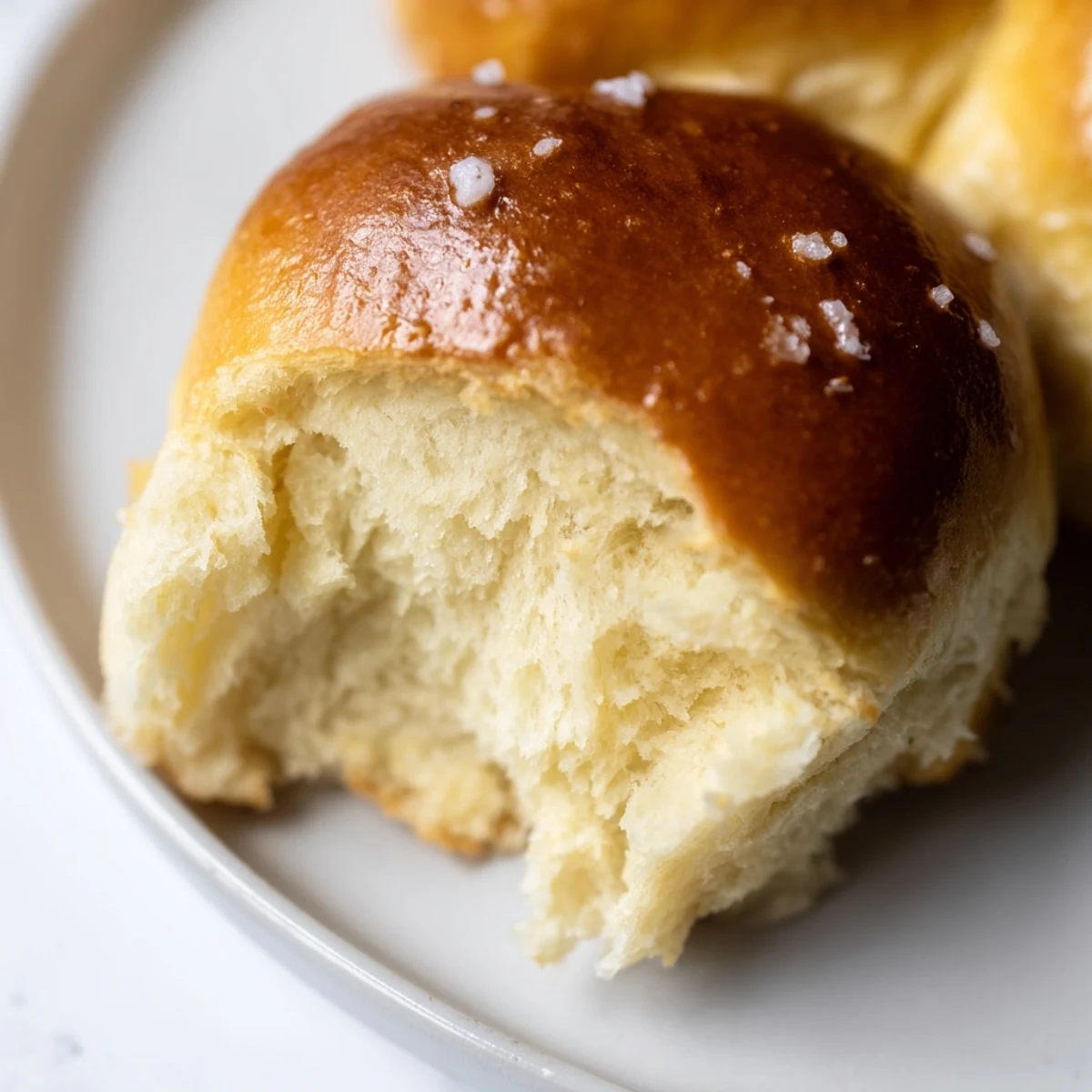
 There's nothing quite like pulling warm brioche from the oven, butter melting into the surface, and realizing you made this with your own hands.
Recipe FAQ
Buttery Bliss Brioche Rolls
Soft, rich brioche rolls that melt in your mouth and elevate any meal from breakfast to dinner.
Ingredients
Dough
Egg Wash
Instructions
Additional Information
Equipment Needed
Nutrition (Per Serving)
Allergy Information